About us
Vietnam Factory
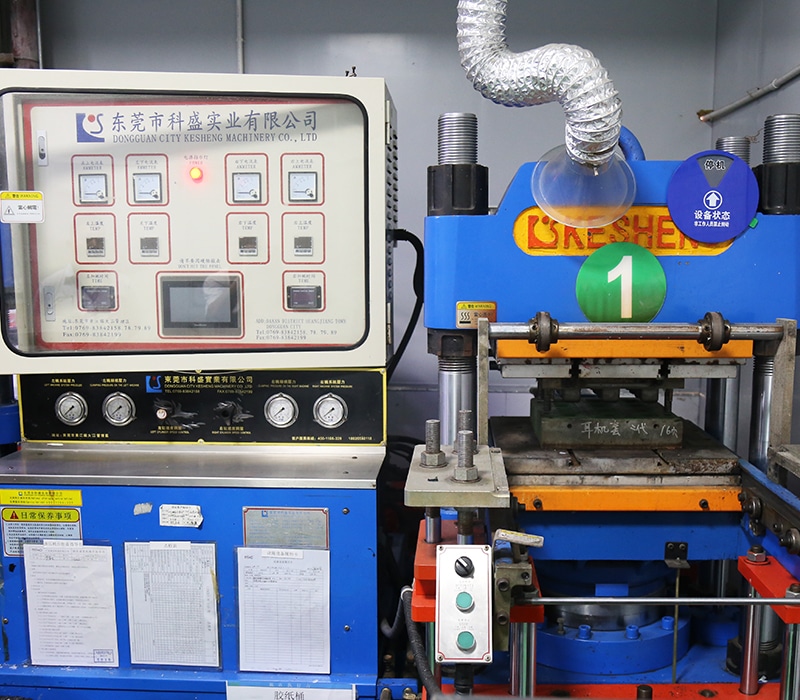
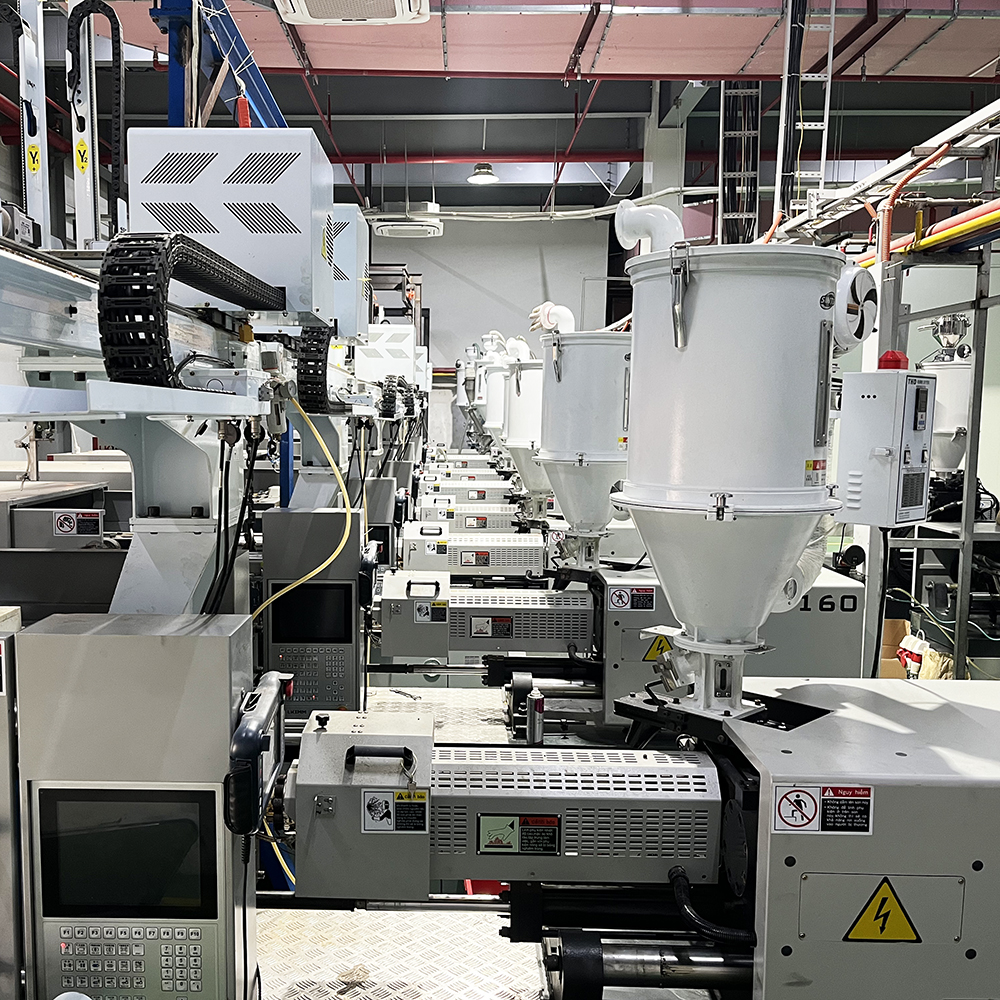
Junle(Vietnam) is our plastic&silicone molding factory. We have different workshops in Vietnam, including: Injection Molding Workshop, Silicone Molding Workshop, and Tooling Workshop.
Junle(Vietnam) is our plastic&silicone molding factory. We have different workshops in Vietnam, including: Injection Molding Workshop, Silicone Molding Workshop, and Tooling Workshop.


Working with us
Main Cooperation Partner
Vendor Code


Our certificate
Quality Certificates
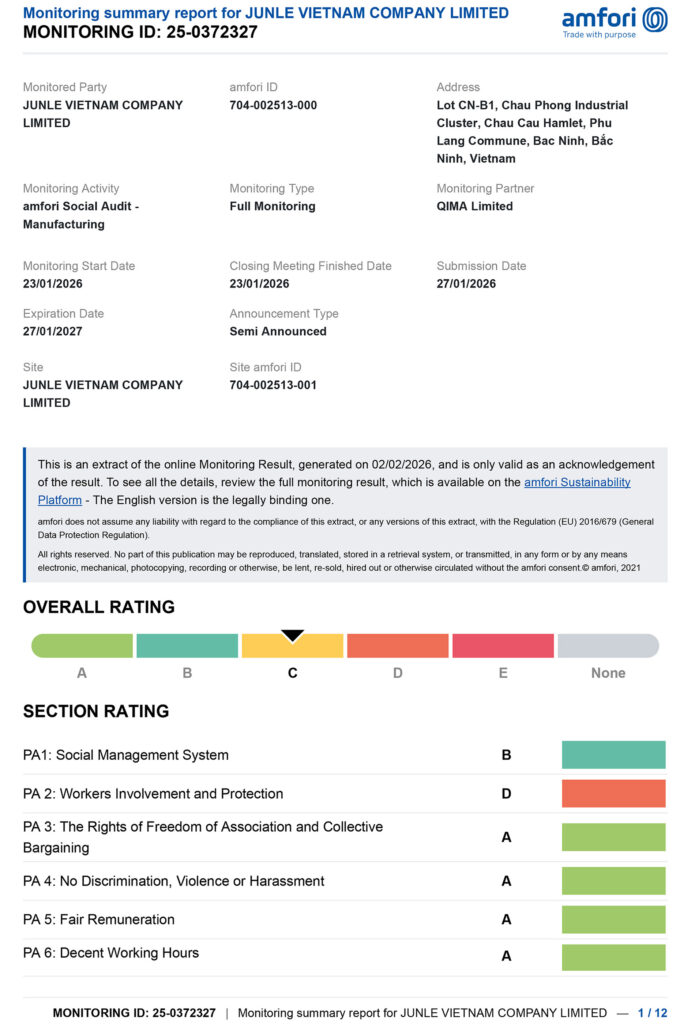
BSCI
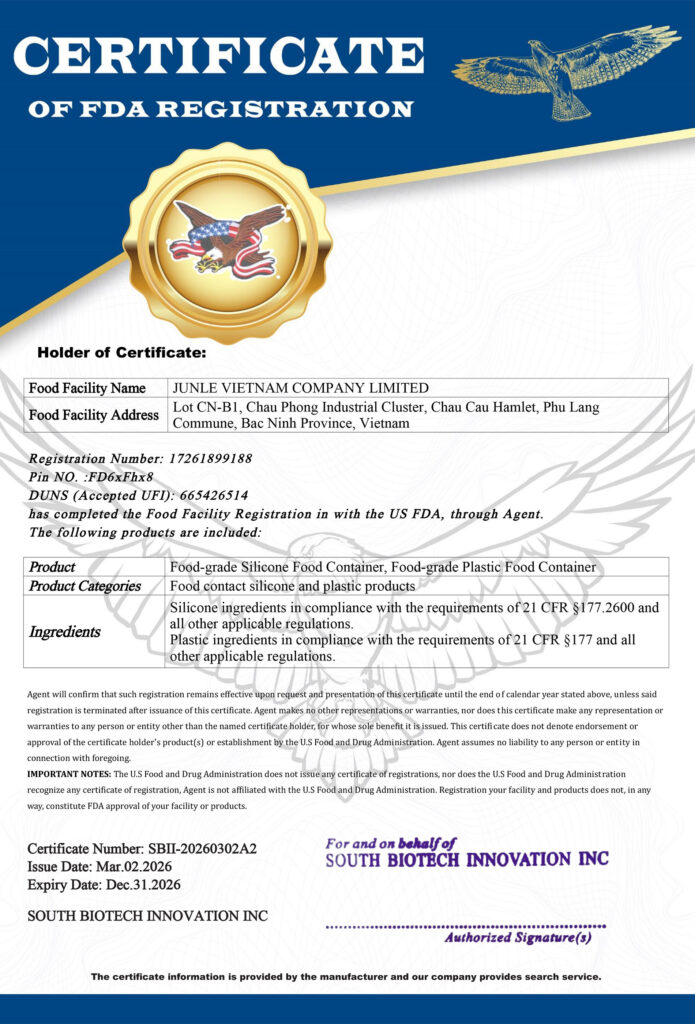
FDA
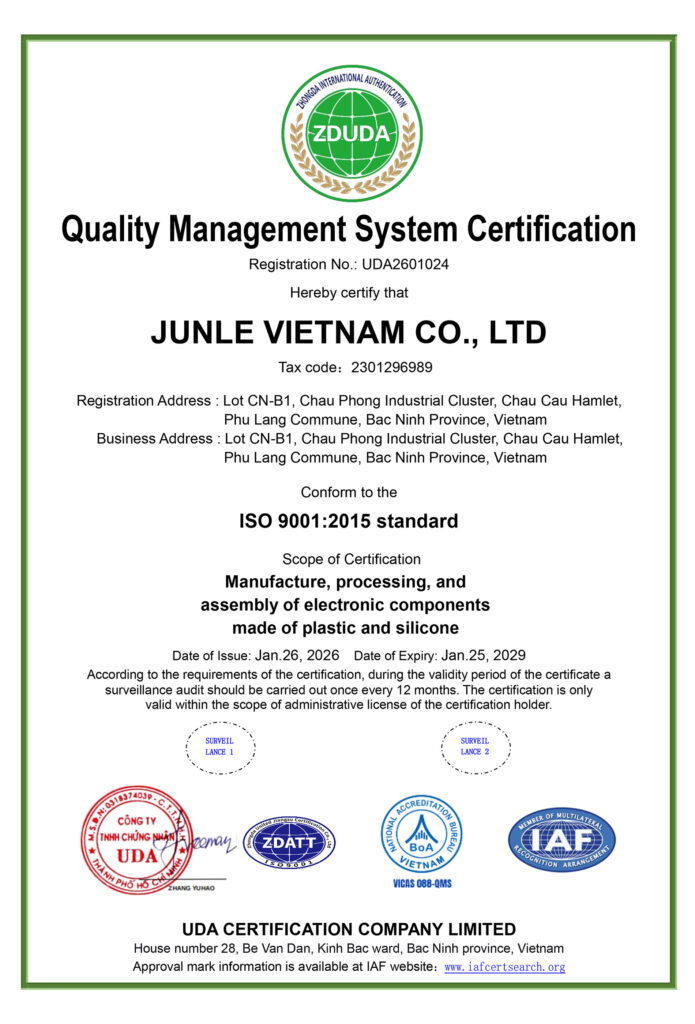
ISO 9001
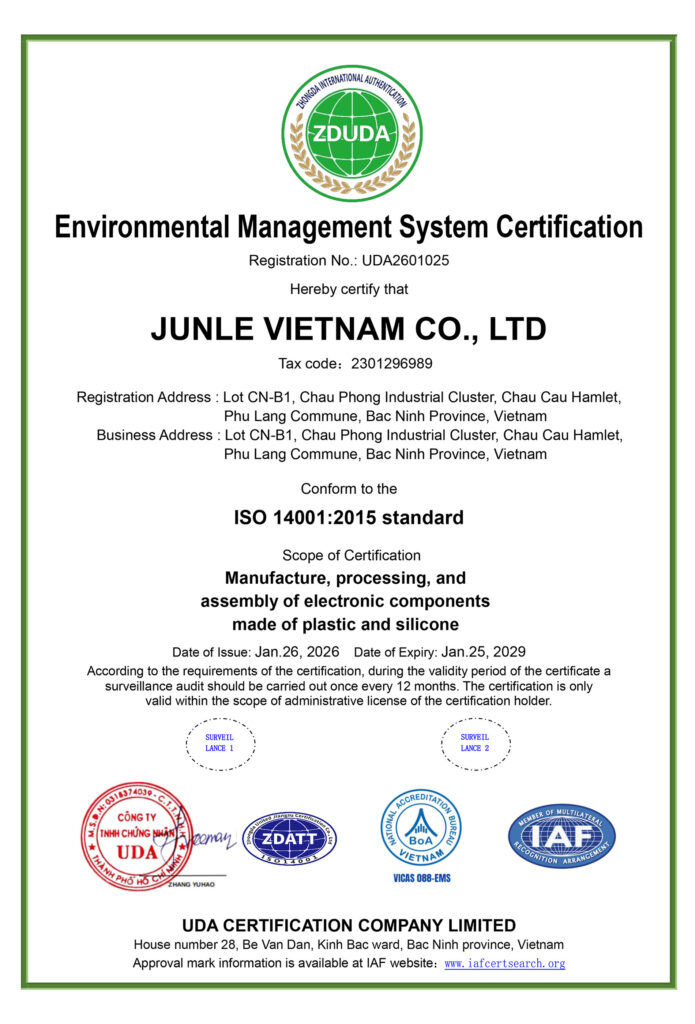
ISO 14001
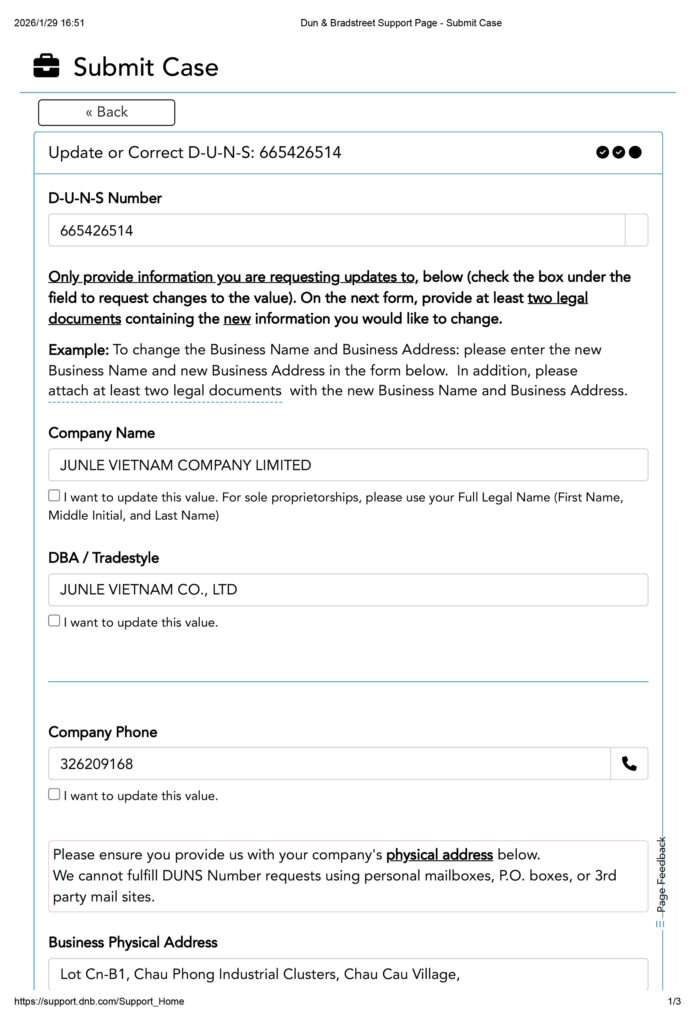
DUNS Number
What we do
Our Services
As a silicone and plastic molding company with a high reputation, Junle (Vietnam) has extensive experience in producing silicone and plastic parts. We collaborate with leading raw silicone suppliers and research institutions in Vietnam to provide greater value to our partners. Our professional engineering team will optimize the custom silicone&plastic parts design and manufacturing process, and address specific requirements in each project.
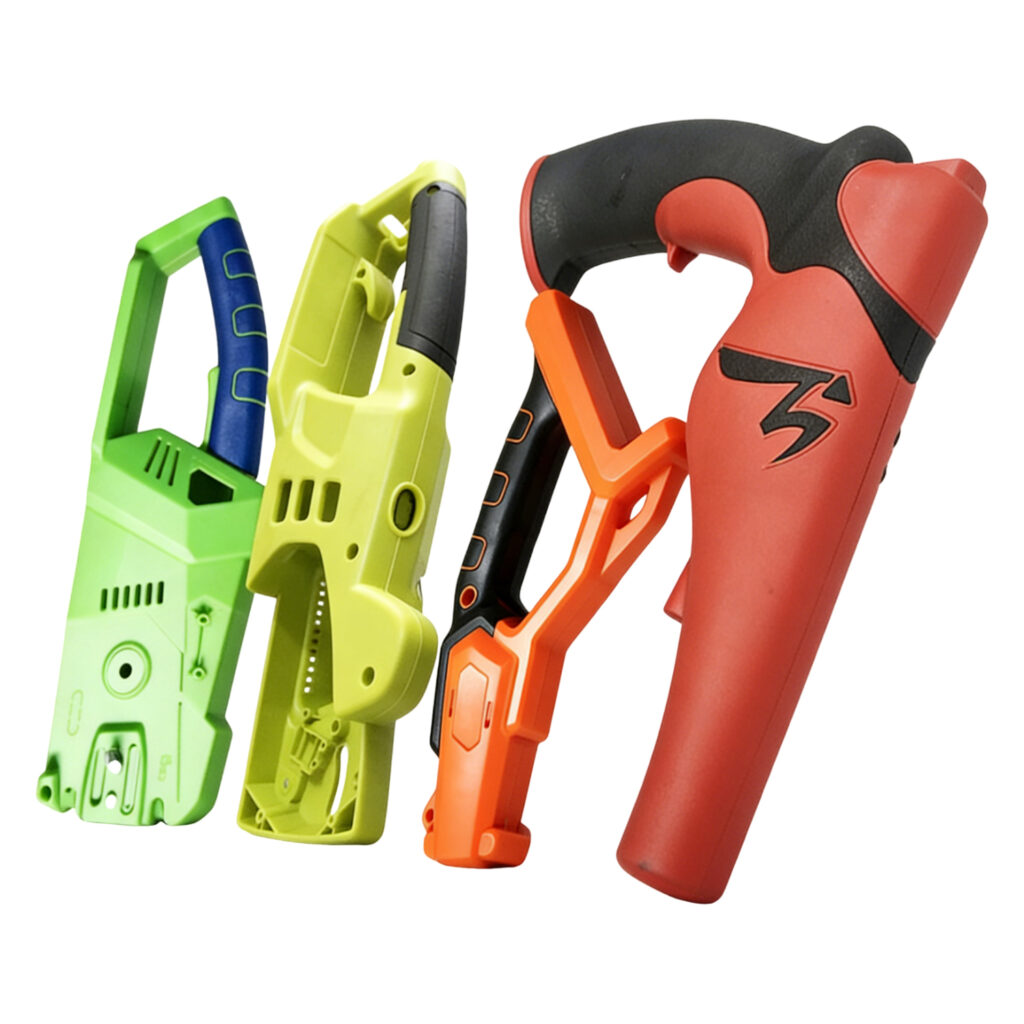
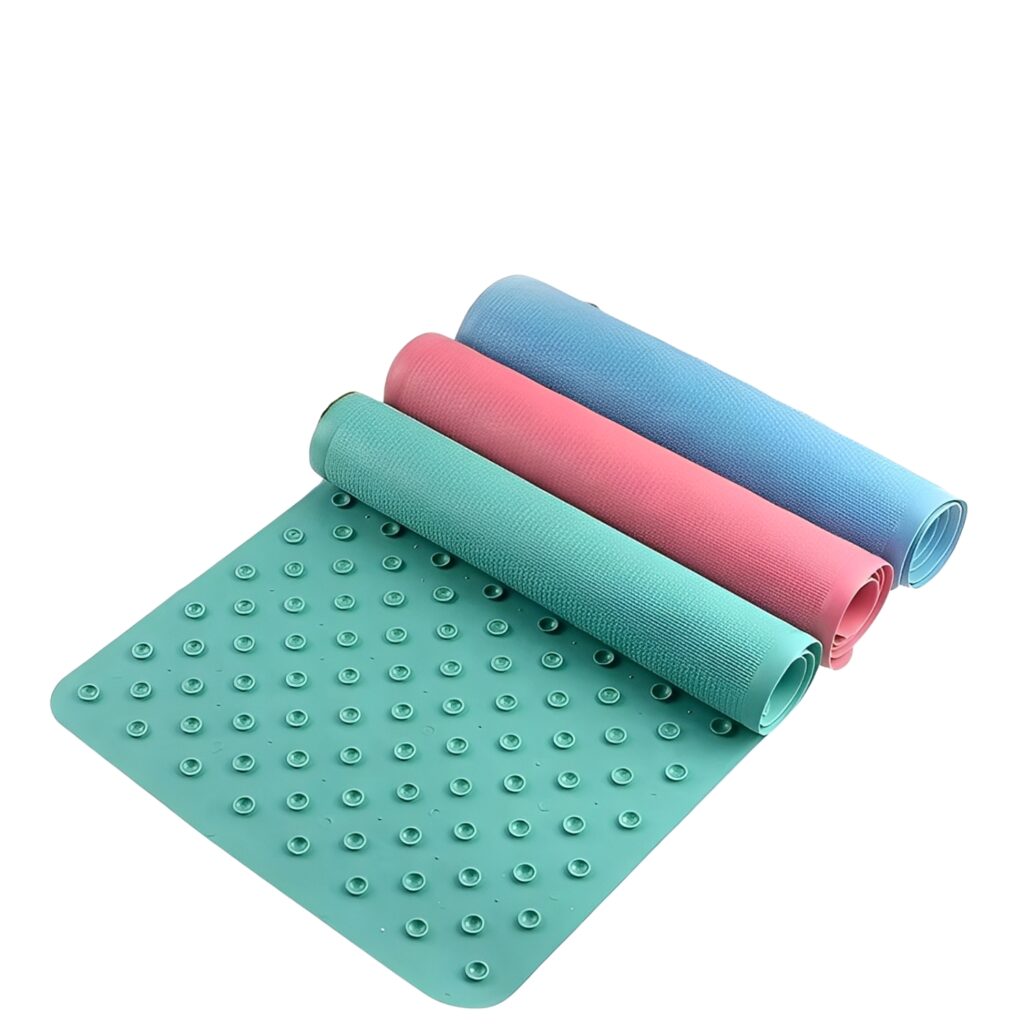
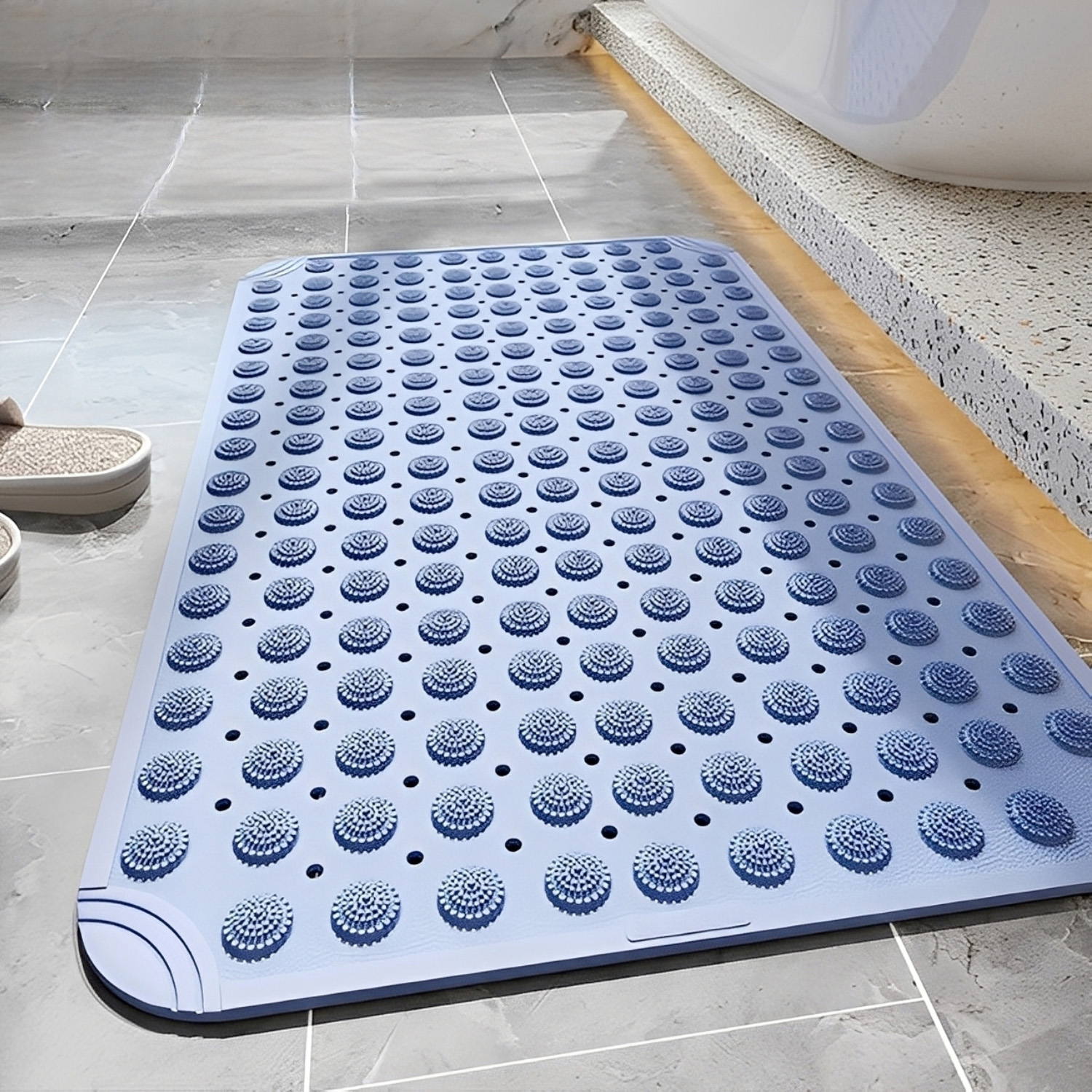
We can deliver high-volume, top-quality, and high-precision PVC Molding, Silicone Molding, and TPE Molding.
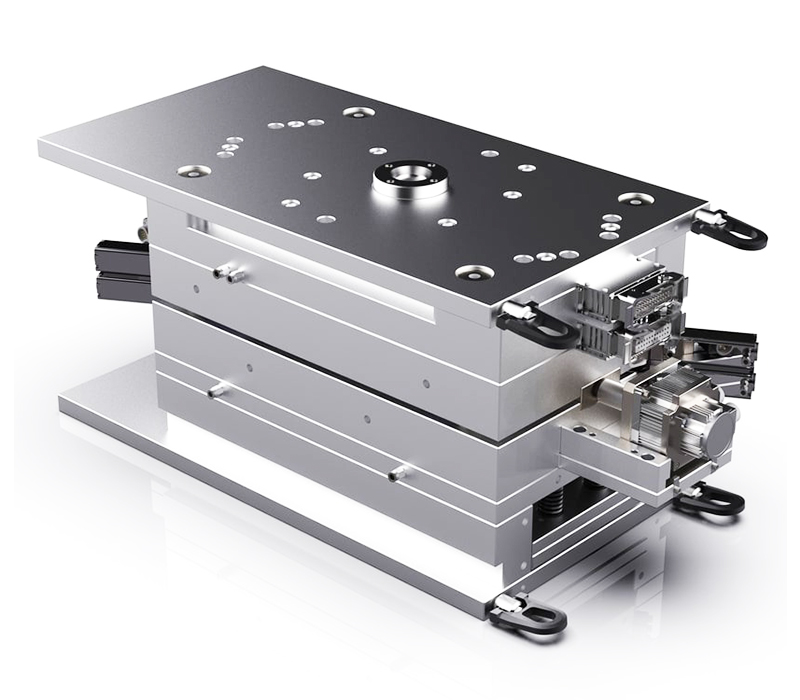
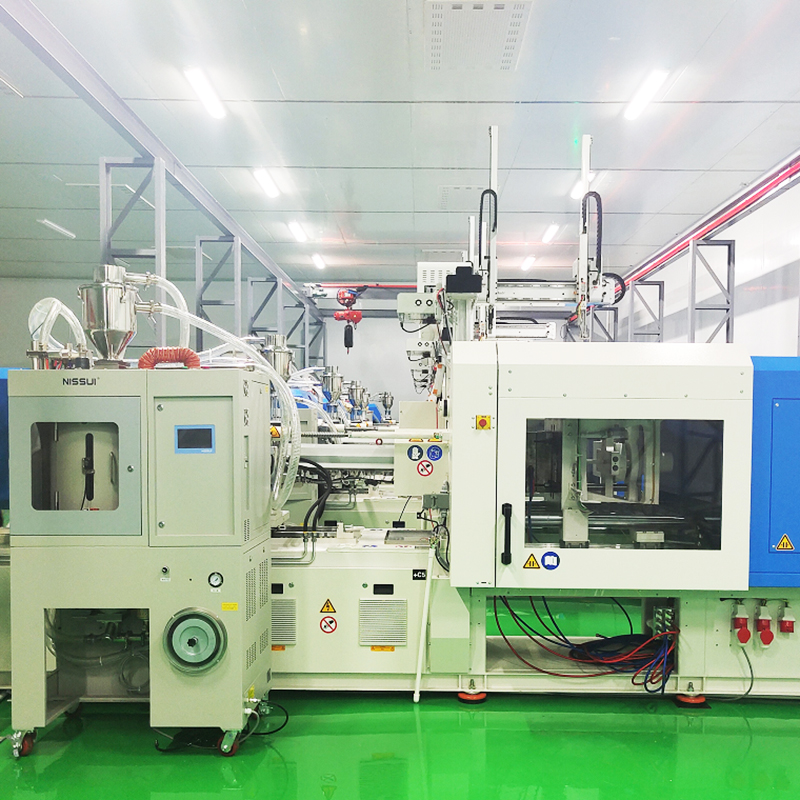

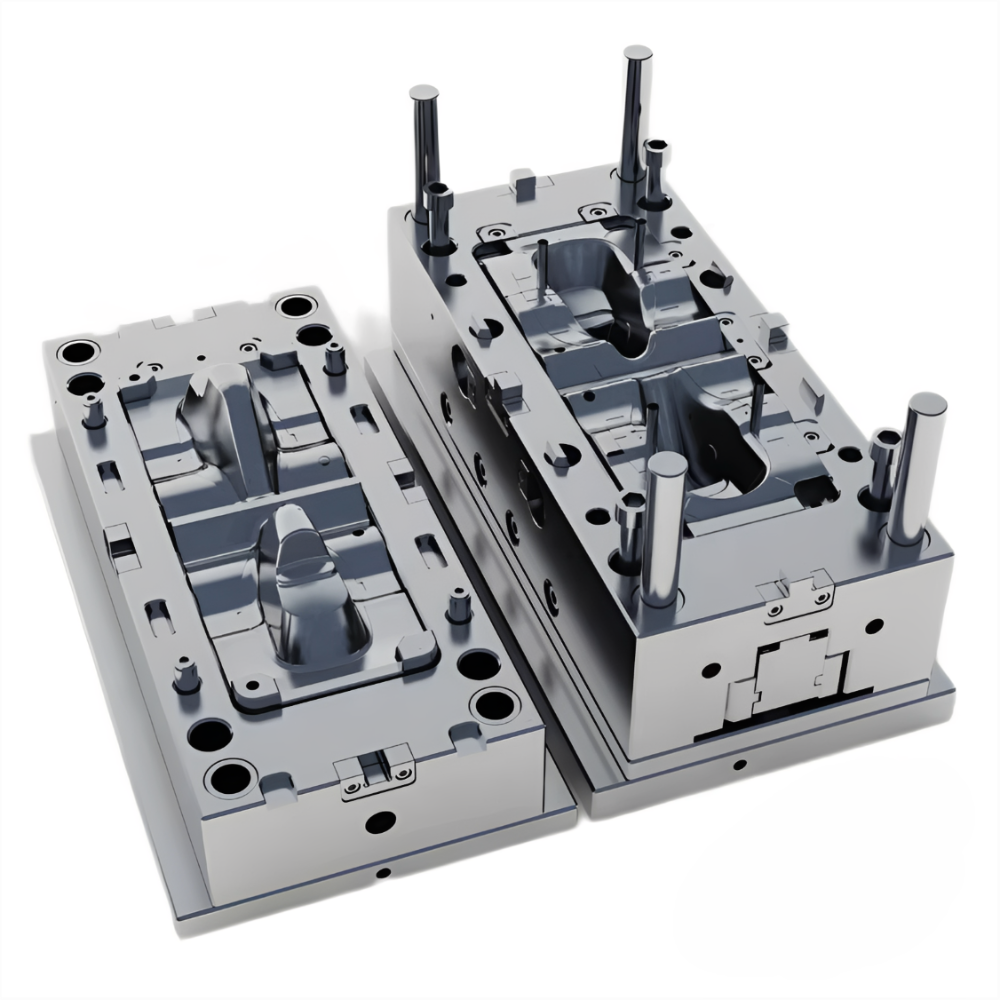
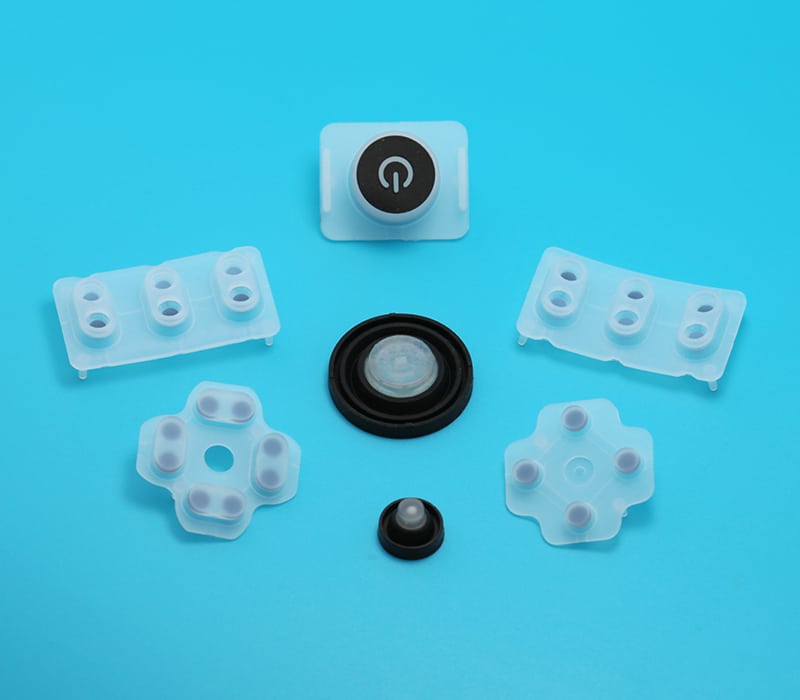
working with us
Product Gallery
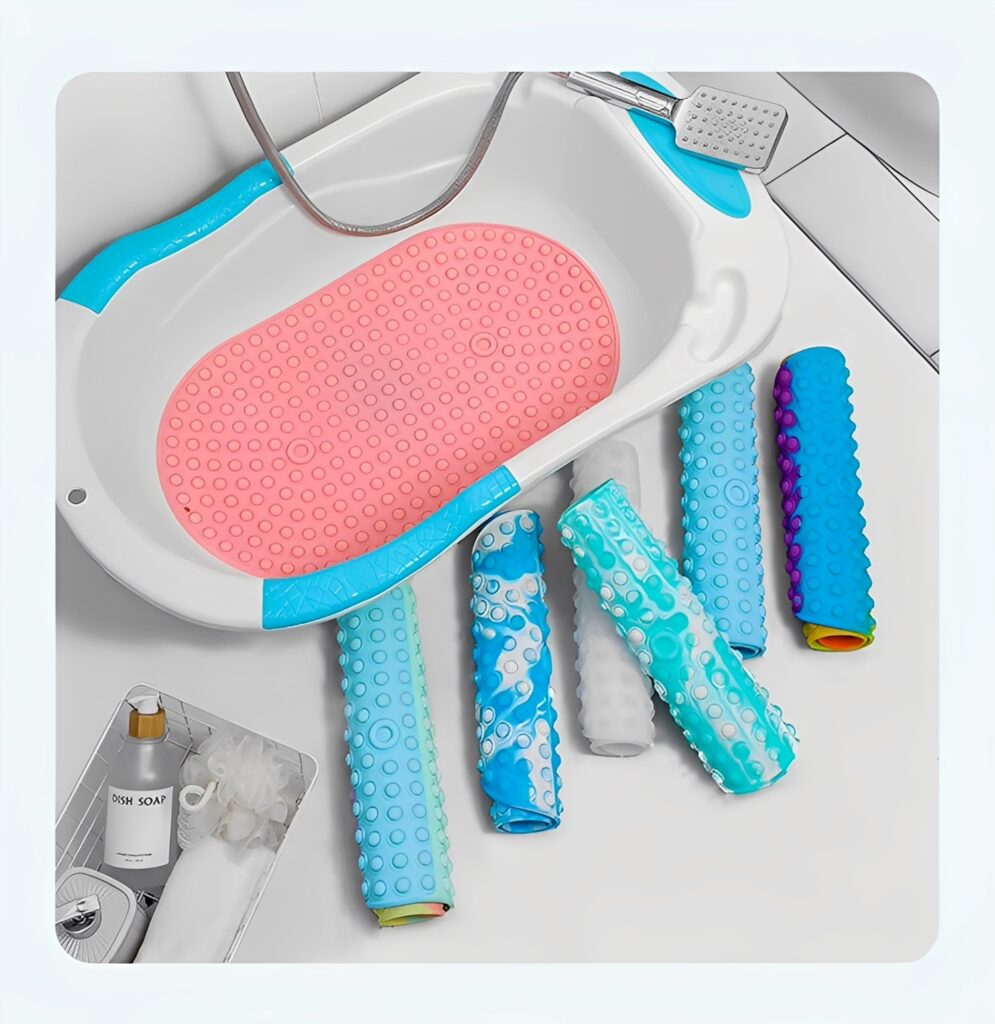
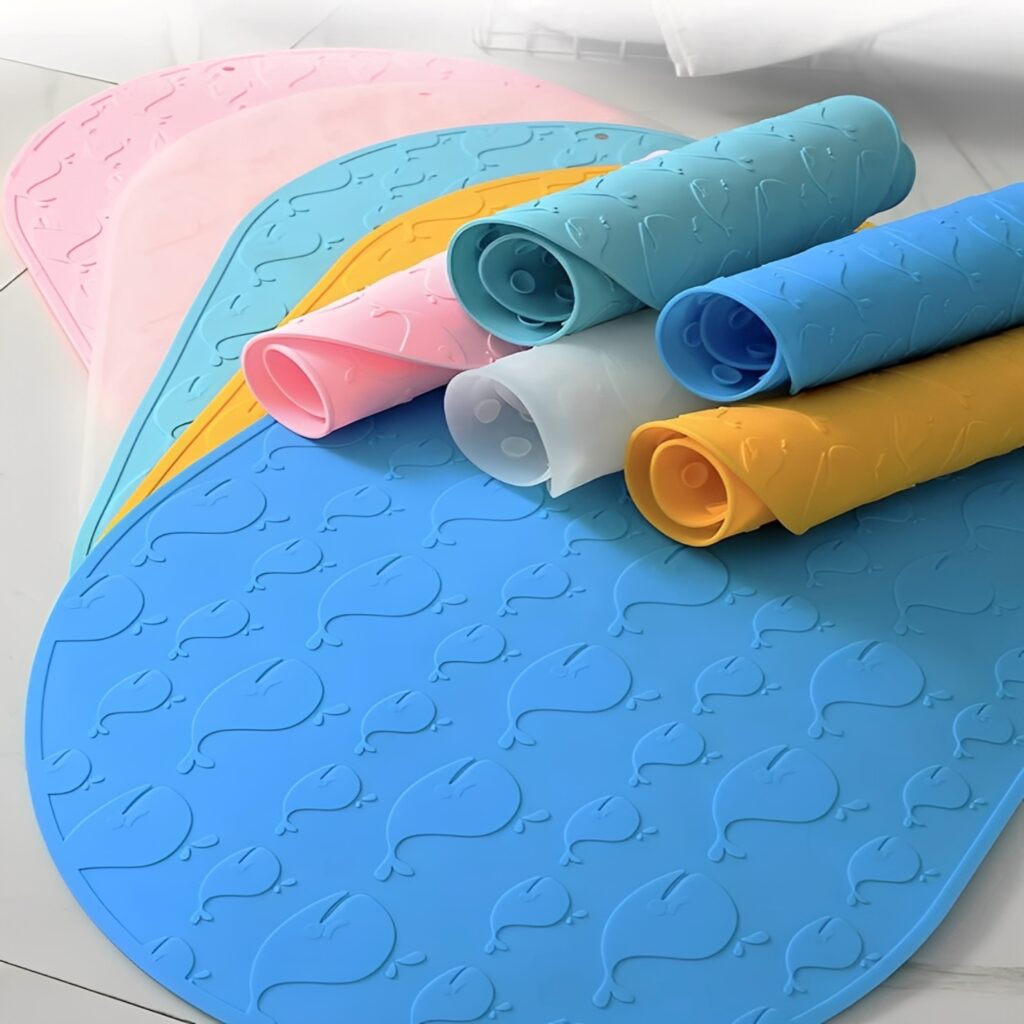
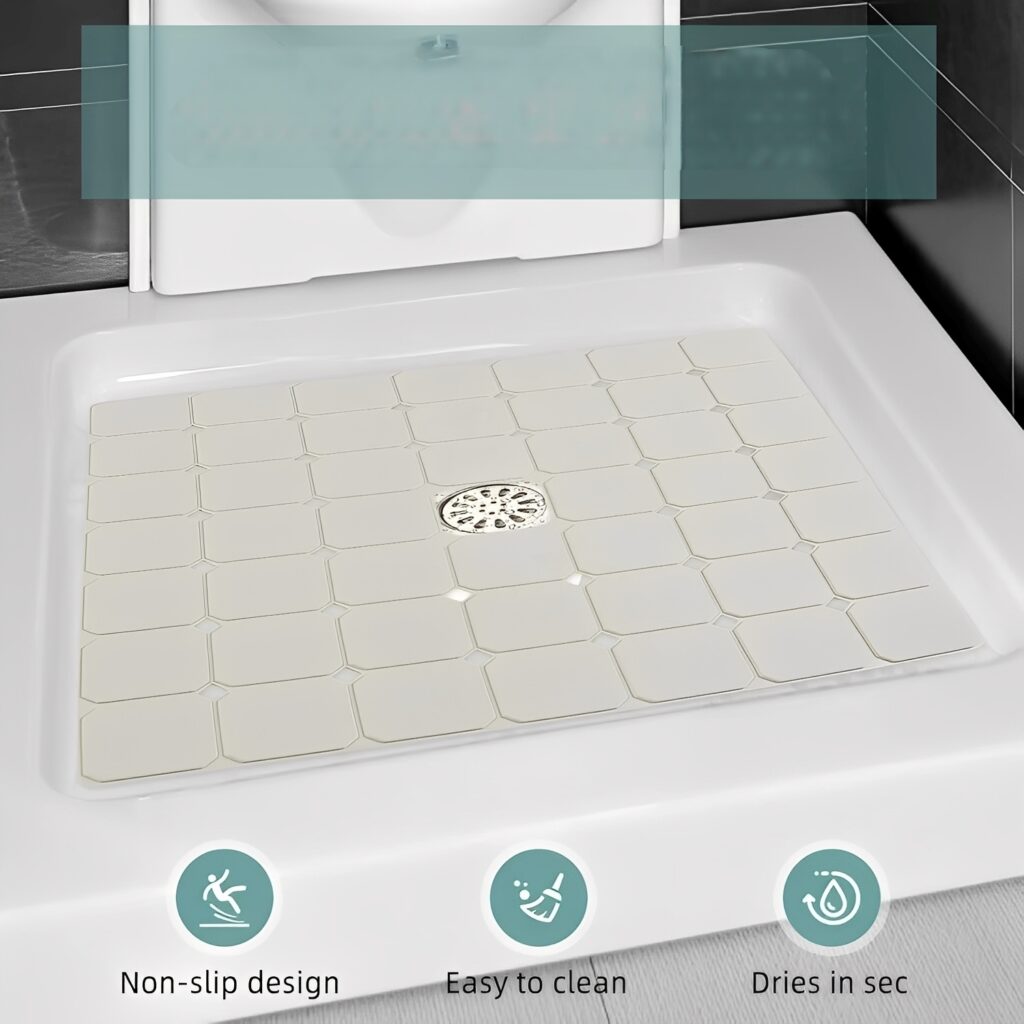
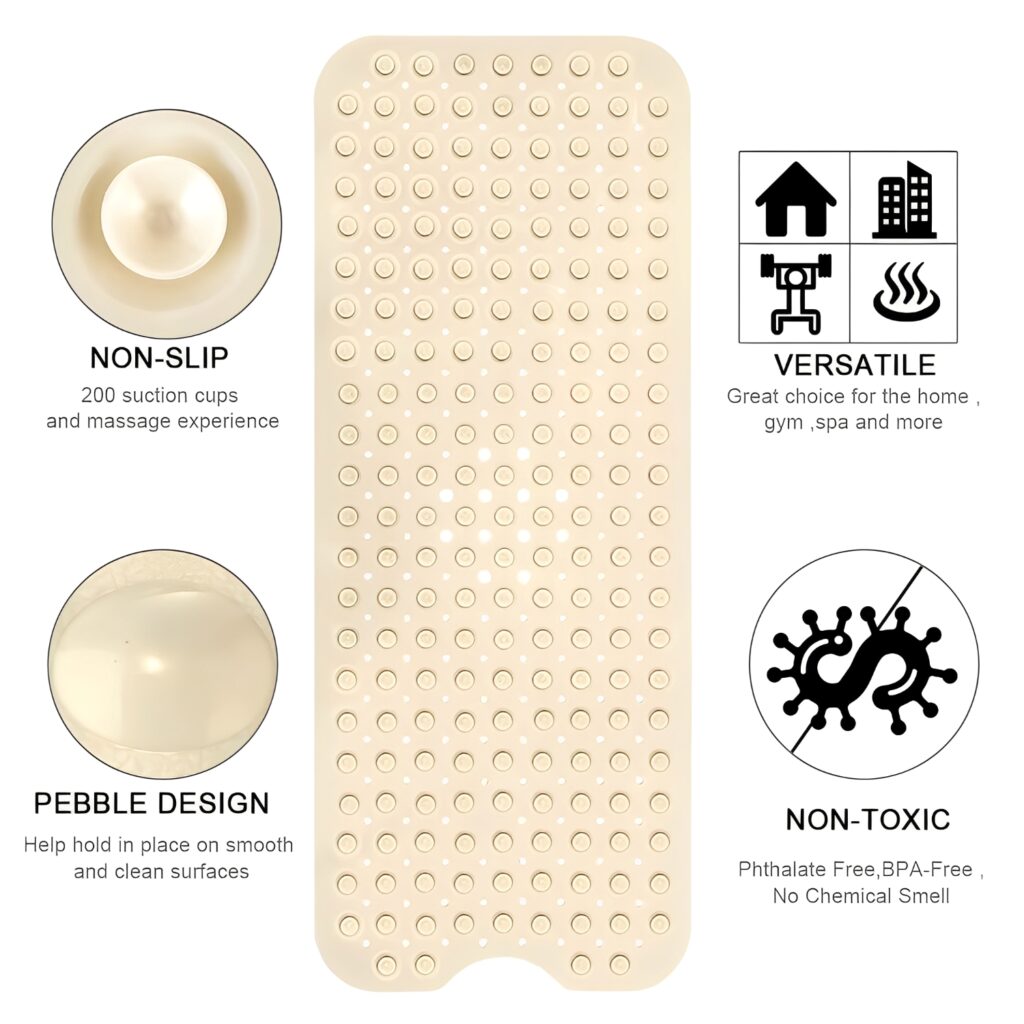
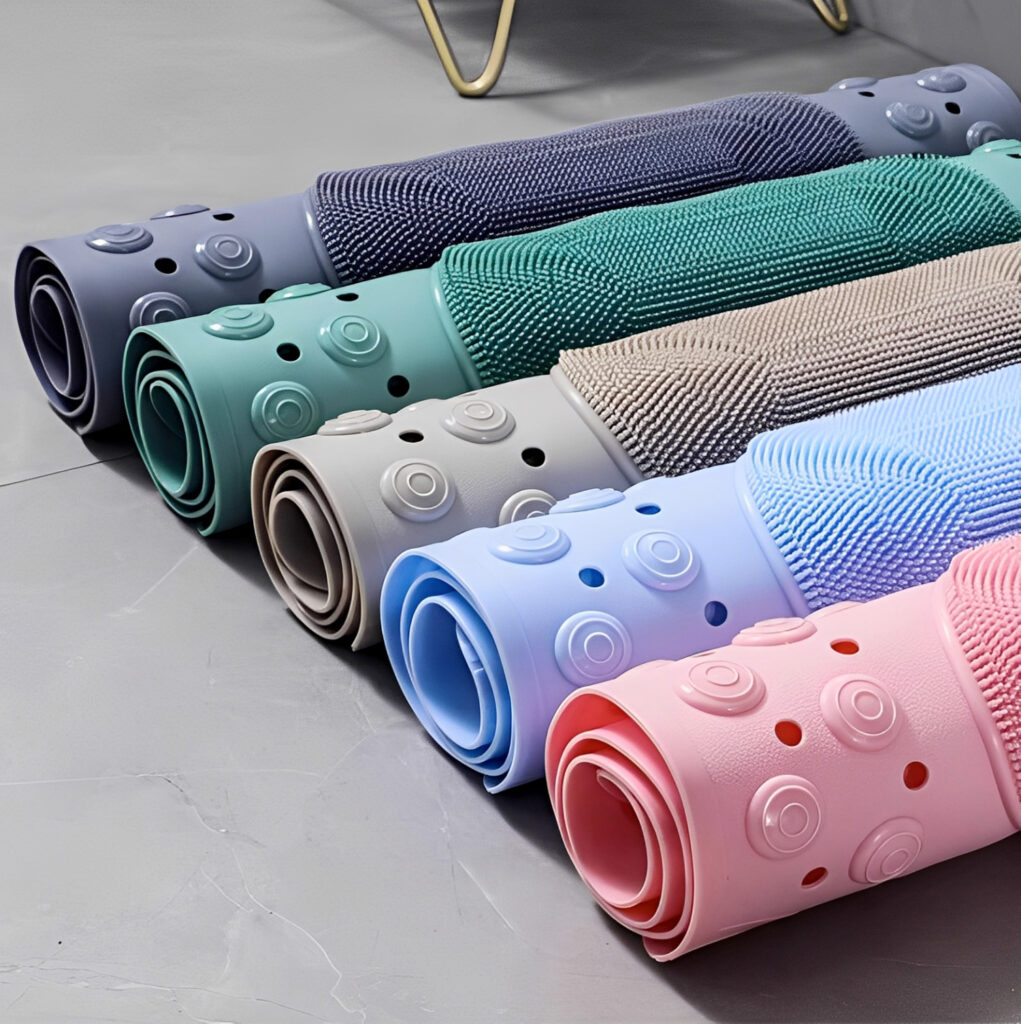
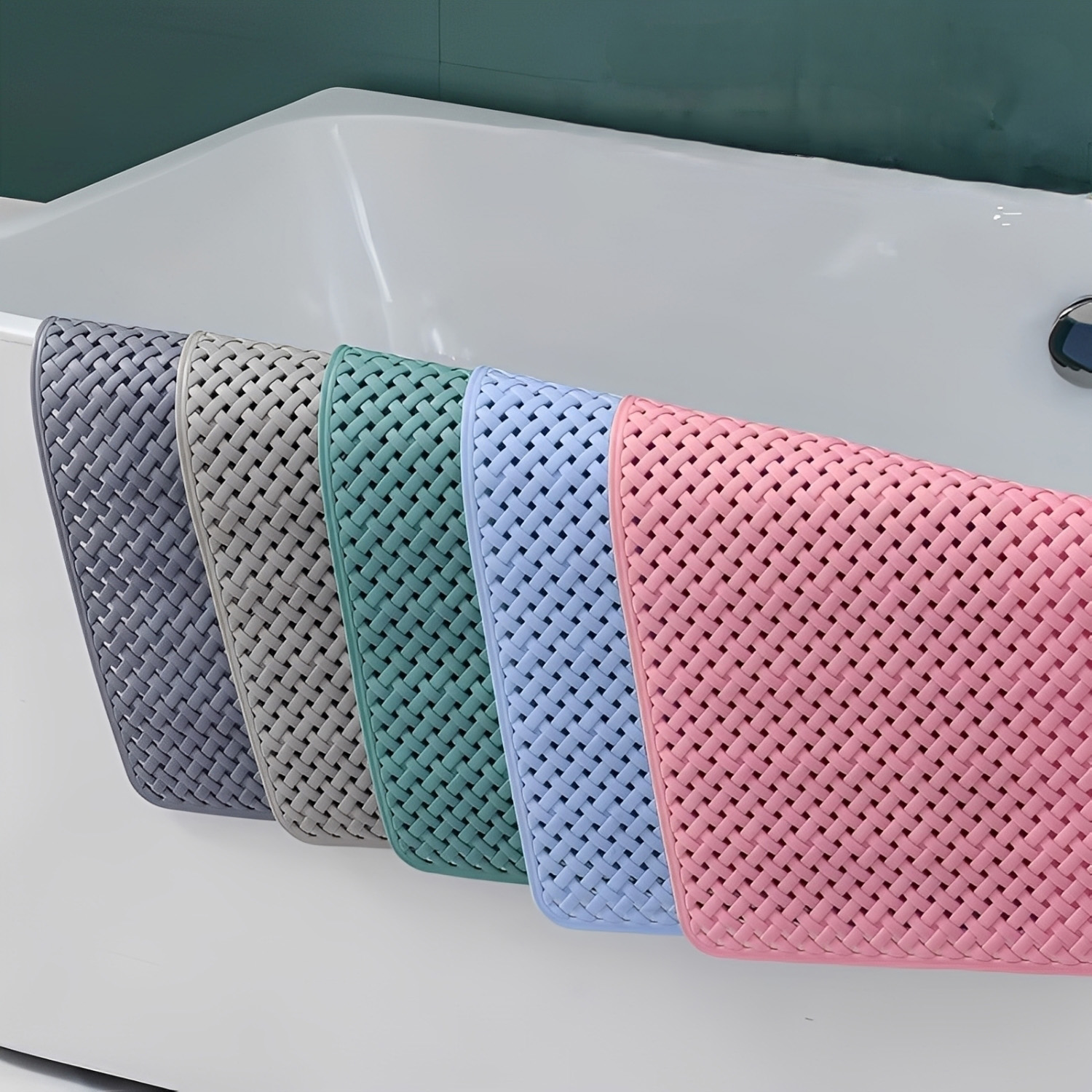
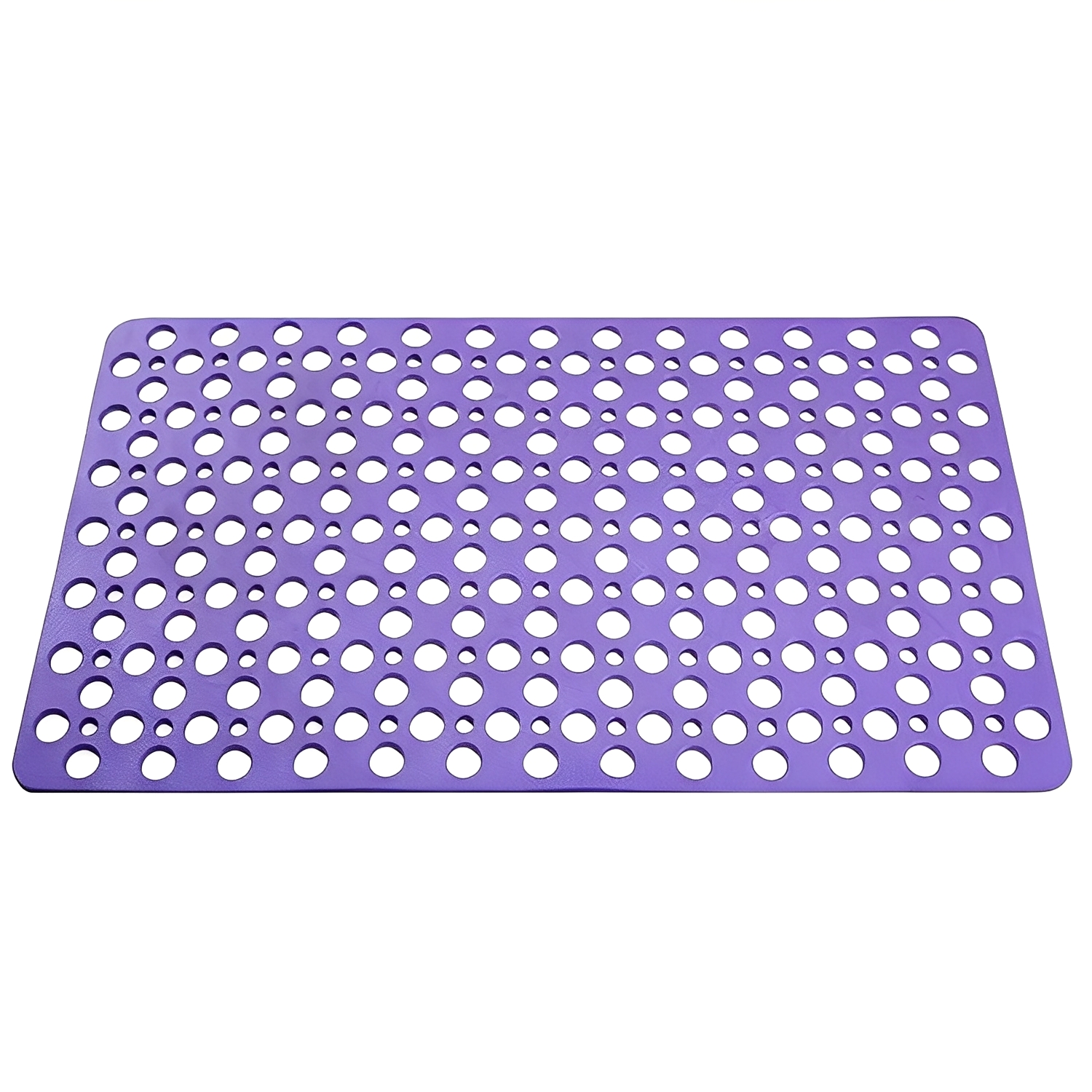
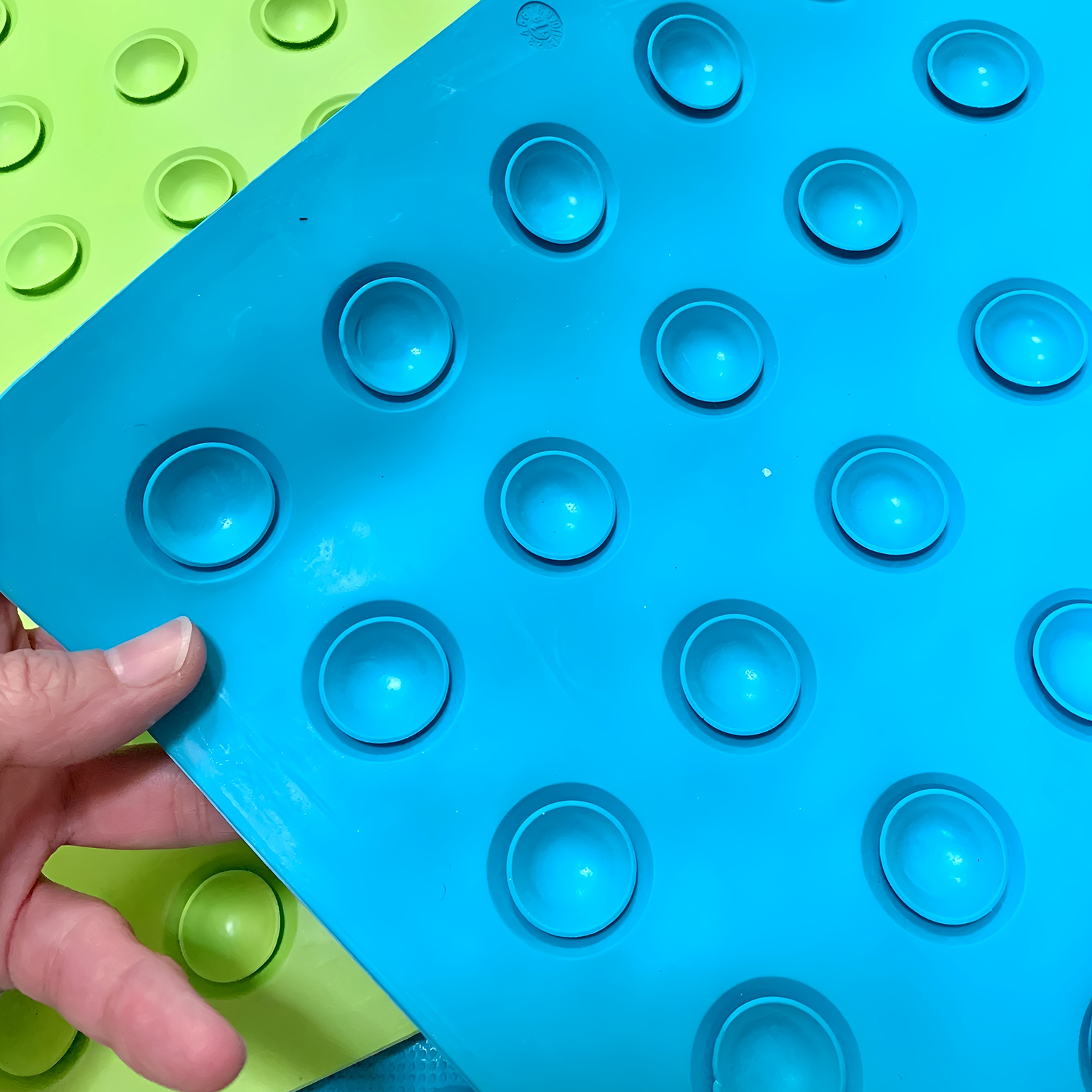
how we help
Our Capabilities
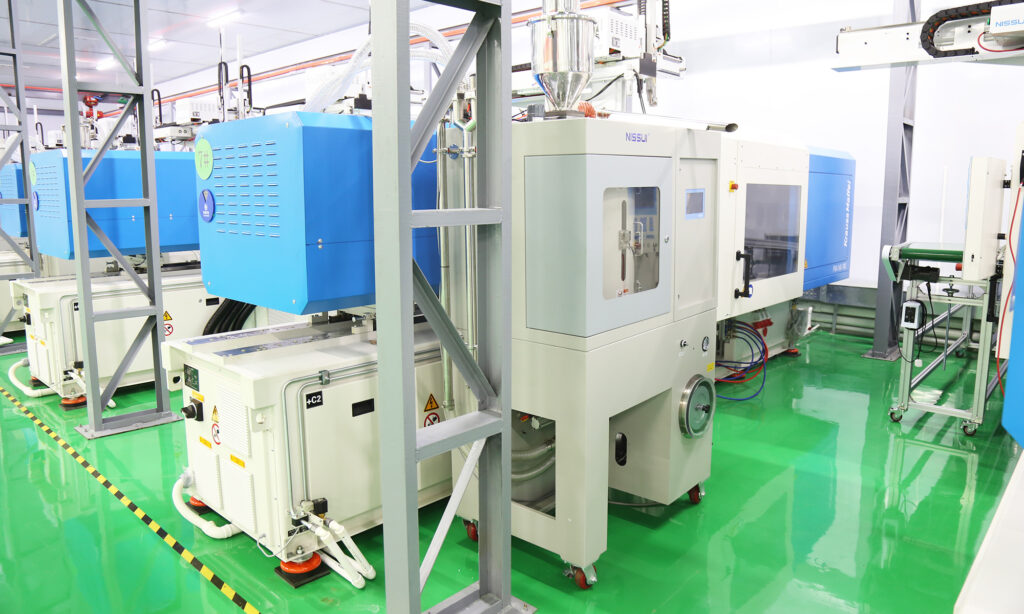
Silicone/Plastic Molding
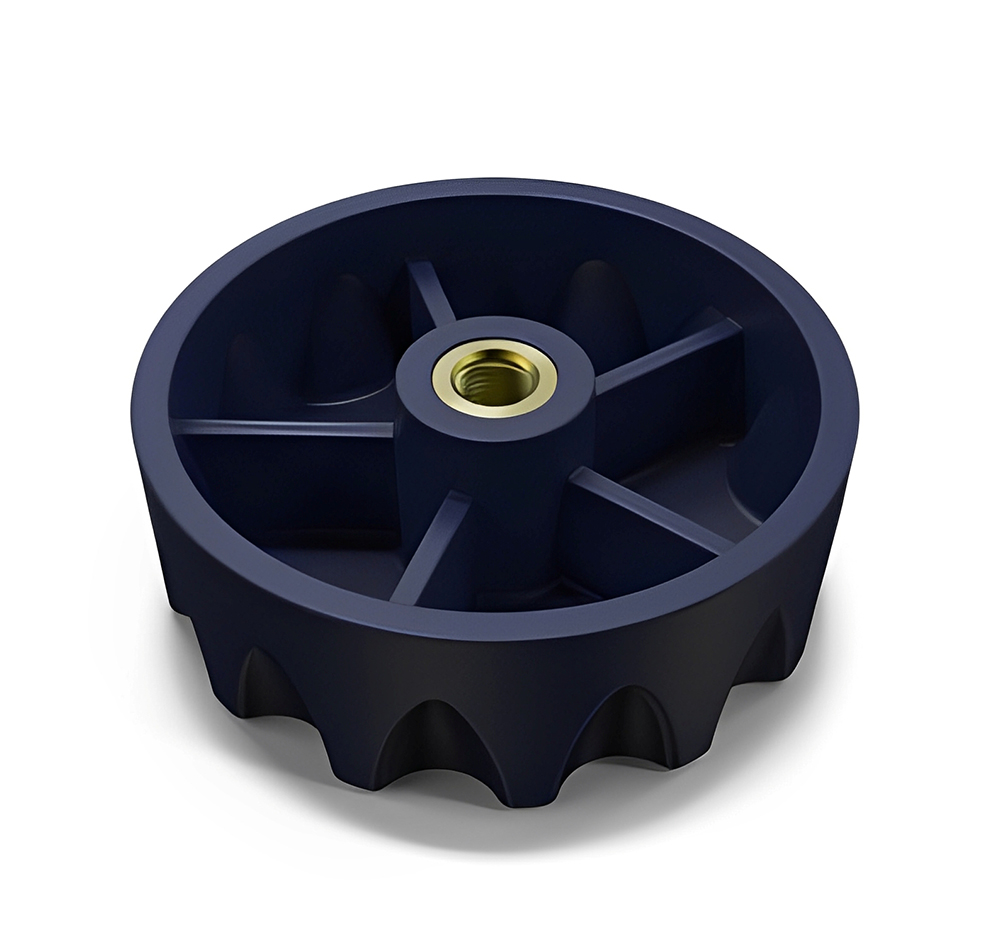
Junle (Vietnam) has produced millions of molding parts for customers worldwide. We can design and manufacture high-quality custom Silicone/Plastic injection molding, silicone overmolding (Silicone/Thermoplastics/Metal), Silicone compression molding, Plastic injection molding, and Plastic/Metal insert molding for various applications. Our silicone products are widely used across industries, including automotive components, medical & healthcare devices, consumer appliances, electrical devices, and industrial applications.
what we Have
Our Equipment
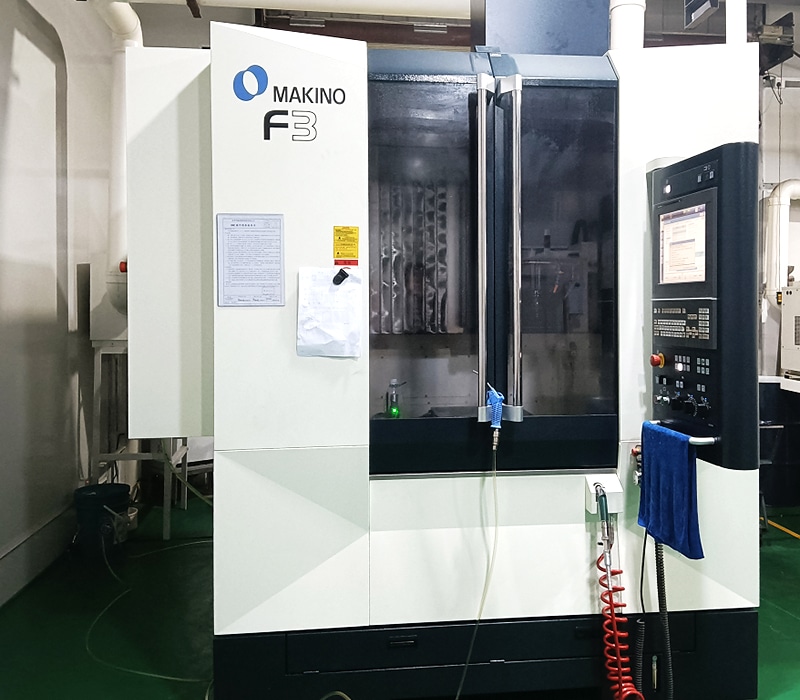
Mold manufacturing
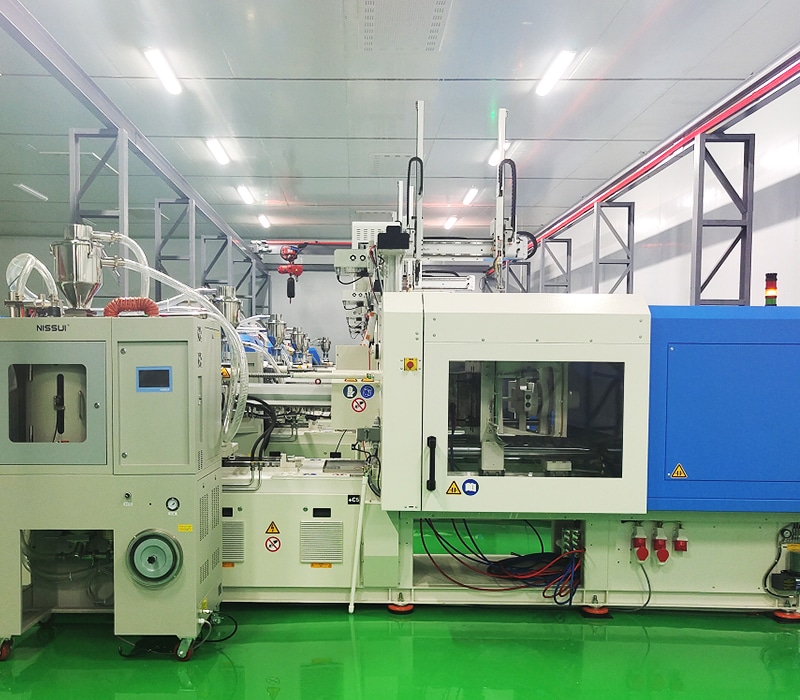
PVC/TPE Molding Machine
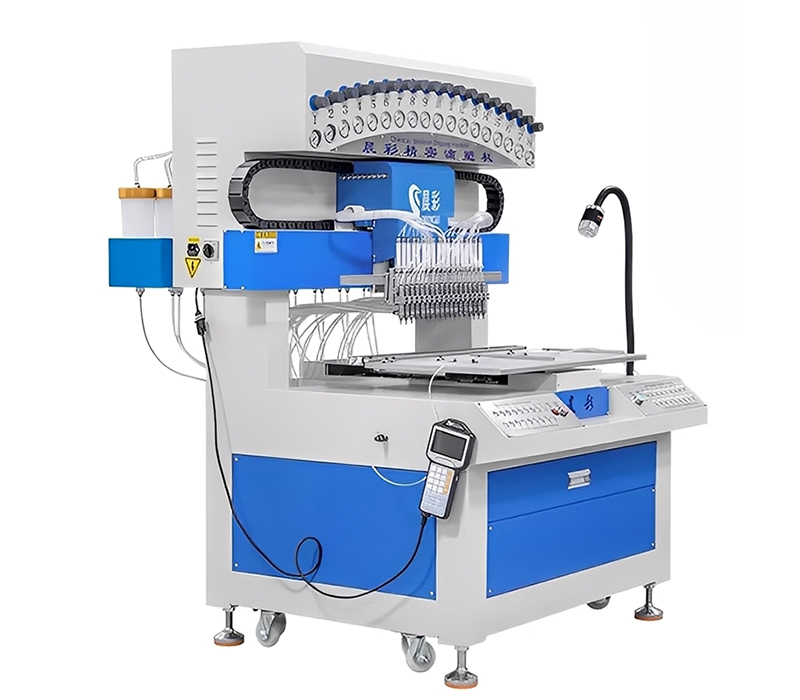
Silicone Dispensing Machine