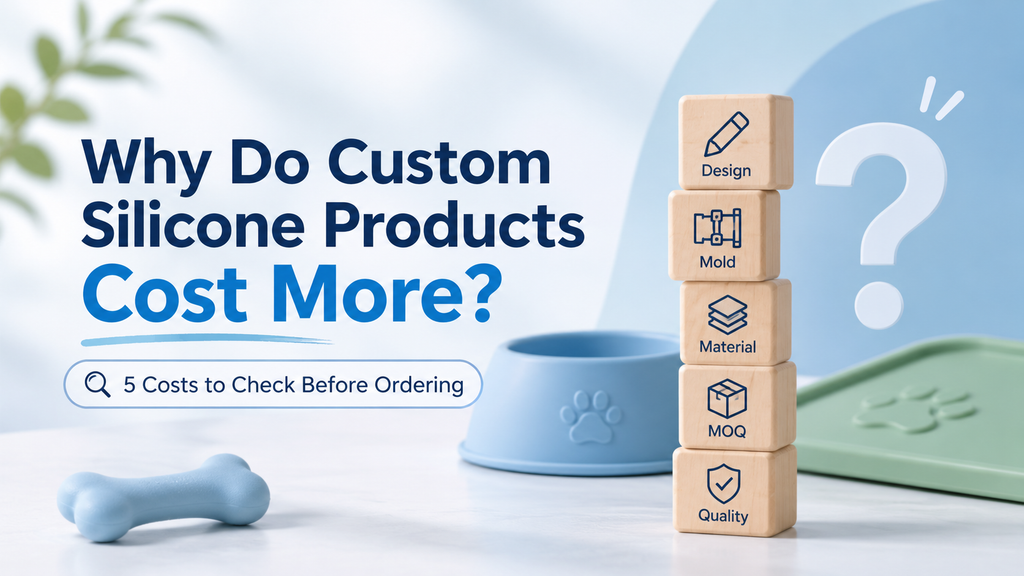
A new product can look simple on the outside, but getting it ready for mass production often involves more decisions than buyers initially expect.
A small change in dimensions, material thickness or product structure can affect tooling, production methods, packaging and even the final order cost.
For brands, wholesalers and small businesses planning to expand their product lines, understanding these details before placing an order can help avoid unnecessary expenses and production delays.
This is particularly important when developing silicone pet products, where product design needs to balance functionality, durability, cleaning convenience and manufacturing feasibility.
So, before choosing a manufacturing partner or comparing quotations, here are five cost factors worth checking.
1. Product Design: Small Changes Can Affect the Final Cost
One of the most common misunderstandings in custom product development is assuming that a small design adjustment will only have a small impact on the cost.
In reality, even minor changes can affect the product structure and manufacturing process.
For example, imagine a pet slow feeder bowl that needs to be easier to clean. Reducing the depth of certain grooves or adjusting the internal texture may improve cleaning convenience.
However, these changes could also affect the bowl’s overall dimensions, wall thickness, stability or even whether the original packaging box still fits.
The same issue can happen with other silicone products:
- A thicker base may improve stability but increase material consumption.
- Deeper textures may improve functionality but make cleaning more difficult.
- Changes in product height may affect stacking and packaging.
- Adjusting the edge structure may influence flexibility and deformation.
What buyers should check:
Before requesting a quotation, try to provide more than just a reference photo. Include approximate dimensions, intended use, structural details and any specific functions you want to achieve.
A manufacturing partner can then evaluate whether the proposed design is practical before moving into mold development.
2. Mold Development: Understand What You Are Paying For
Mold costs are often one of the biggest concerns when ordering customized silicone products, especially for small businesses or first-time buyers.
However, the question should not simply be whether the mold quotation is high or low.
It is more important to understand what the mold investment includes.
Depending on the product design, mold development may involve:
- Reviewing product drawings and dimensions.
- Evaluating structural feasibility.
- Developing the mold structure.
- Mold manufacturing and initial trials.
- Sample inspection and necessary adjustments.
Another important consideration is whether an existing mold can be used.
If your product only requires a change in color, logo or certain dimensions, modifying an existing design may be worth evaluating. However, if the internal structure or functional requirements change significantly, a new mold may be necessary.
For example, changing the drainage structure of a silicone pet bowl is different from simply adding a logo. The former may require a more substantial structural modification.
What buyers should check:
Ask your supplier to distinguish between existing-mold customization and new-mold development.
You should also clarify how many trial rounds are included, what types of modifications may generate additional charges, and who will confirm the final structure before mass production.
A clear mold development plan helps buyers understand the investment rather than simply comparing two mold prices.
3. Material and Product Structure: The Lowest Unit Price Is Not Always the Best Value
Material selection directly affects product performance, manufacturing cost and the experience of the end user.
For silicone pet products, buyers should consider more than just the material price per kilogram.
Different applications may require different material properties and product structures.
For example:
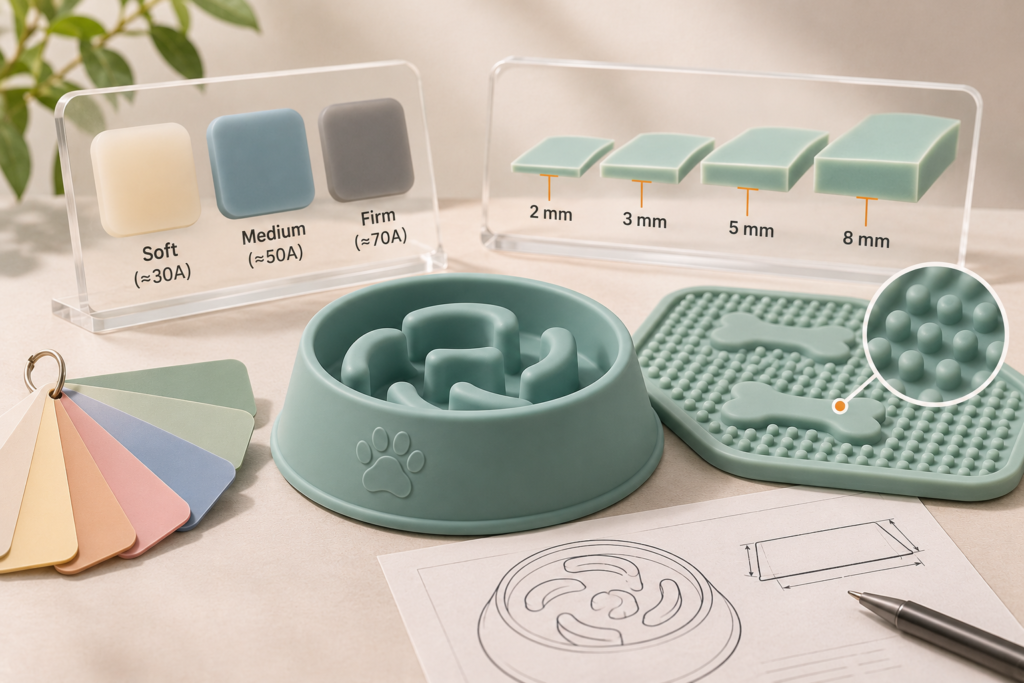
- A pet feeding mat needs sufficient flexibility and stability to stay in place.
- A collapsible bowl needs to balance flexibility with structural support.
- A slow feeder needs suitable groove depth and surface details for its intended use.
- A silicone grooming brush needs a comfortable texture and appropriate softness.
Product thickness, hardness, texture and overall structure all influence the amount of material used and the manufacturing requirements.
There is also an important difference between selecting a material based on price and selecting one based on its intended application.
For products that come into contact with pet food, buyers should clarify the applicable material requirements and request relevant test reports or supporting documentation where necessary.
What buyers should check:
Do not compare quotations based on unit price alone.
Ask about the proposed silicone material, hardness, product thickness, intended application and available material documentation.
A product that is slightly more expensive to manufacture may offer better durability, usability and long-term value.
4. Order Quantity and MOQ: Balance Production Cost with Inventory Risk
For small and growing businesses, minimum order quantity (MOQ) can be just as important as the unit price.
A larger order may reduce the average production cost, but it also means more money tied up in inventory.
For a new product that has not yet been tested in the market, ordering too much too early can create unnecessary pressure.
On the other hand, very small orders may result in higher unit costs because mold investment, setup and production preparation need to be distributed across fewer products.
This is why the right order quantity should be considered alongside the product’s market demand and production requirements.
When developing custom silicone pet products, buyers should also distinguish between:
- Standard products with existing molds.
- Customized products using an existing mold.
- New products requiring independent mold development.
These three situations may have very different cost structures.
What buyers should check:
Before confirming an order, discuss the expected sales volume, initial order quantity and potential repeat orders with your supplier.
It is also worth asking whether the production arrangement can support future replenishment without changing the approved product specifications.
The goal is not simply to order more to obtain a lower price. It is to find a production quantity that makes commercial sense.
5. Sampling and Mass Production: Make Sure the Final Product Matches Expectations
A sample can look perfect, but that does not automatically mean the mass-produced batch will have exactly the same results.
This is one of the concerns buyers frequently have when working with a new manufacturer.
Differences in dimensions, weight, color, surface texture or product flexibility can affect the final customer experience.
For example, a feeding mat may look fine during sample approval, but variations in thickness or edge structure could affect how well it stays flat during actual use.
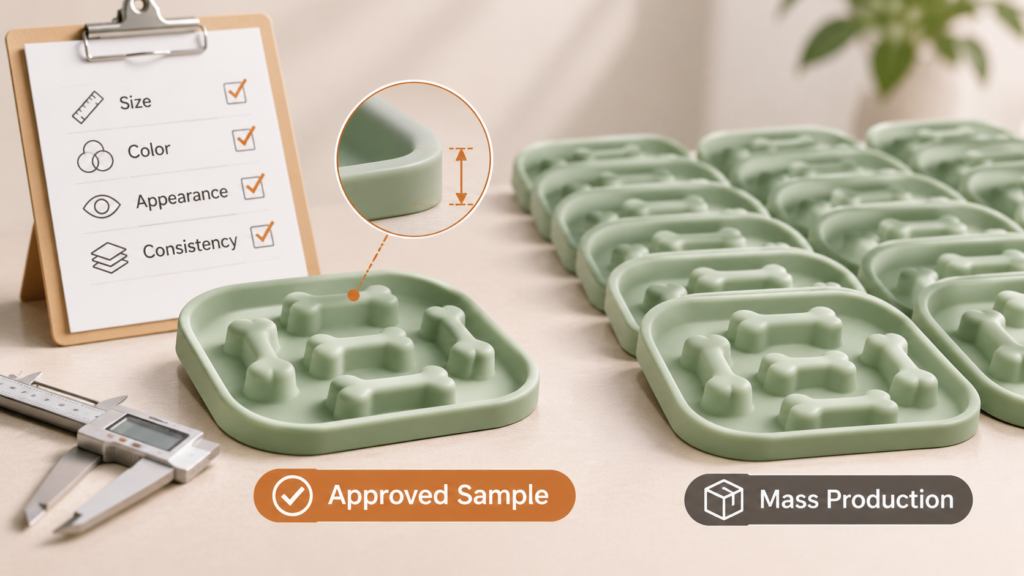
For customized products, the sample approval stage should therefore be treated as an important production reference, not just a formality.
Before mass production, buyers should confirm:
- Final product dimensions and tolerances.
- Material type and hardness.
- Color and surface finish.
- Weight and structural details.
- Logo position and appearance.
- Packaging requirements.
- Agreed quality inspection standards.
For repeat orders, keeping approved samples and confirmed specifications also makes it easier to maintain consistency.
What buyers should check:
Work with a supplier who can communicate clearly during sampling, record confirmed specifications and carry those requirements into mass production and inspection.
The objective is not just to receive an acceptable sample, but to make sure the approved product can be reproduced consistently.
Choosing the Right Manufacturing Partner Matters More Than Comparing Prices
The cost of a customized product is rarely determined by one factor.
Design details, mold investment, material selection, order quantity and production consistency all work together.
For buyers developing silicone pet products, choosing a manufacturing partner who understands these connections can make the entire process more manageable.
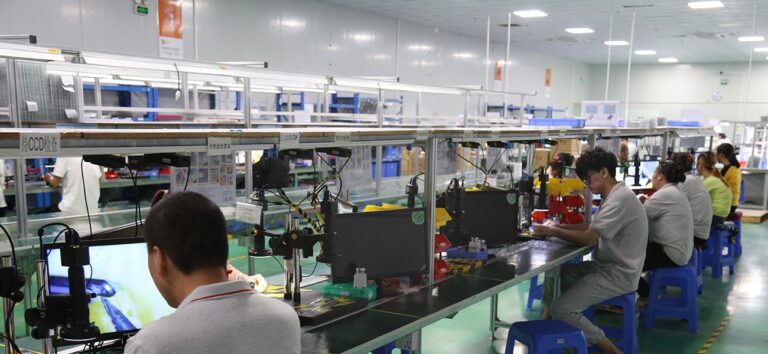
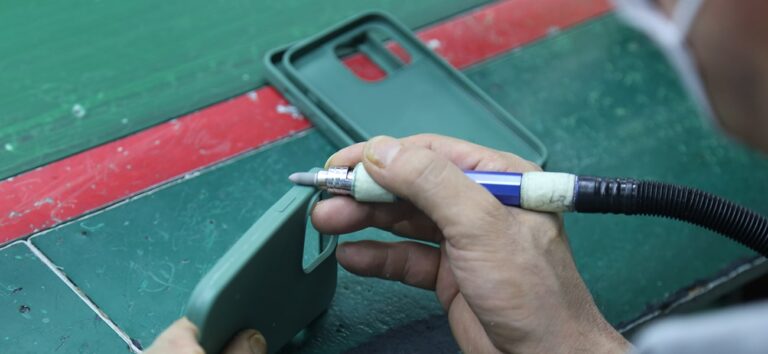
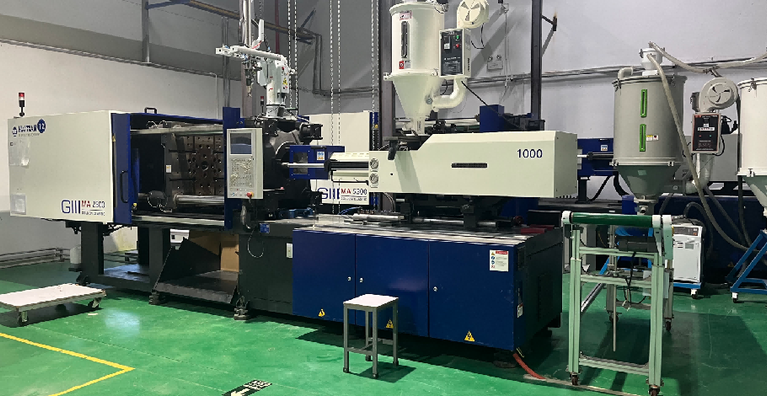
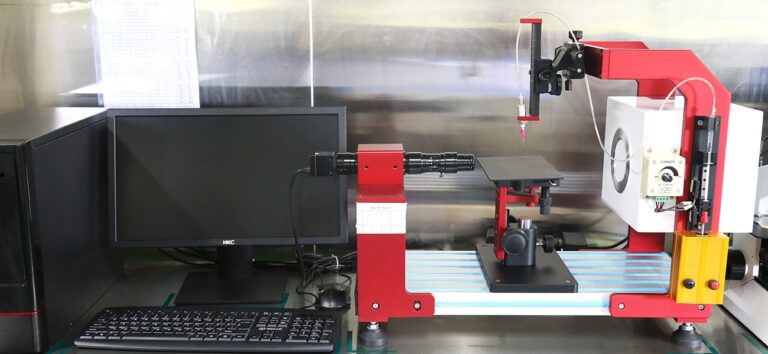
At Junle, we work with customers on custom silicone product development, from initial design discussions and mold evaluation to sampling and mass production.
Our manufacturing capabilities include:
- Custom mold development and product structure adjustments.
- Customized sizes, colors, textures and logos.
- Silicone compression molding and production.
- Sample evaluation and production specification confirmation.
- Support for both existing product customization and new product development.
We understand that not every customer starts with a complete technical drawing. Sometimes, a reference photo and an initial product idea are the starting point. What matters is turning that idea into clear specifications before production begins.
If you are exploring new product opportunities, take a look at our Silicone Pet Products range to see some of the products and customization possibilities we work with.
Before comparing prices, make sure you understand what is included in the design, tooling, materials and production process. This is often the difference between choosing the cheapest supplier and finding a manufacturing partner who can support your product beyond the first order.checking.