
Introduction
PVC (Polyvinyl Chloride) is a colorless polymer, it has numerous properties and characteristics for injection molding:
Weathering Resistance
UV Resistance
Shock and Abrasion Resistance
Resistance to Chemical Corrosion
Flame Retardant
Excellent Electrical Properties
High Durability
Easily Colored
Easy Molding Process
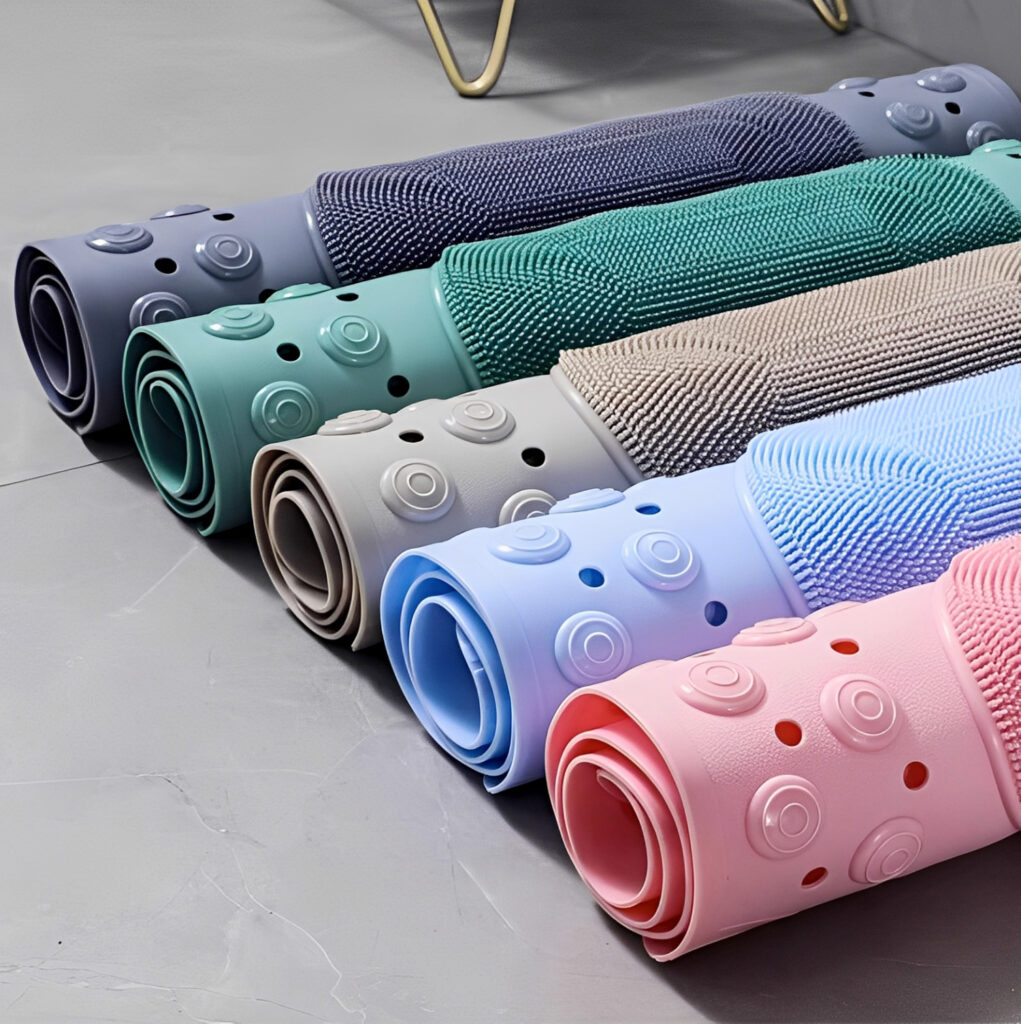
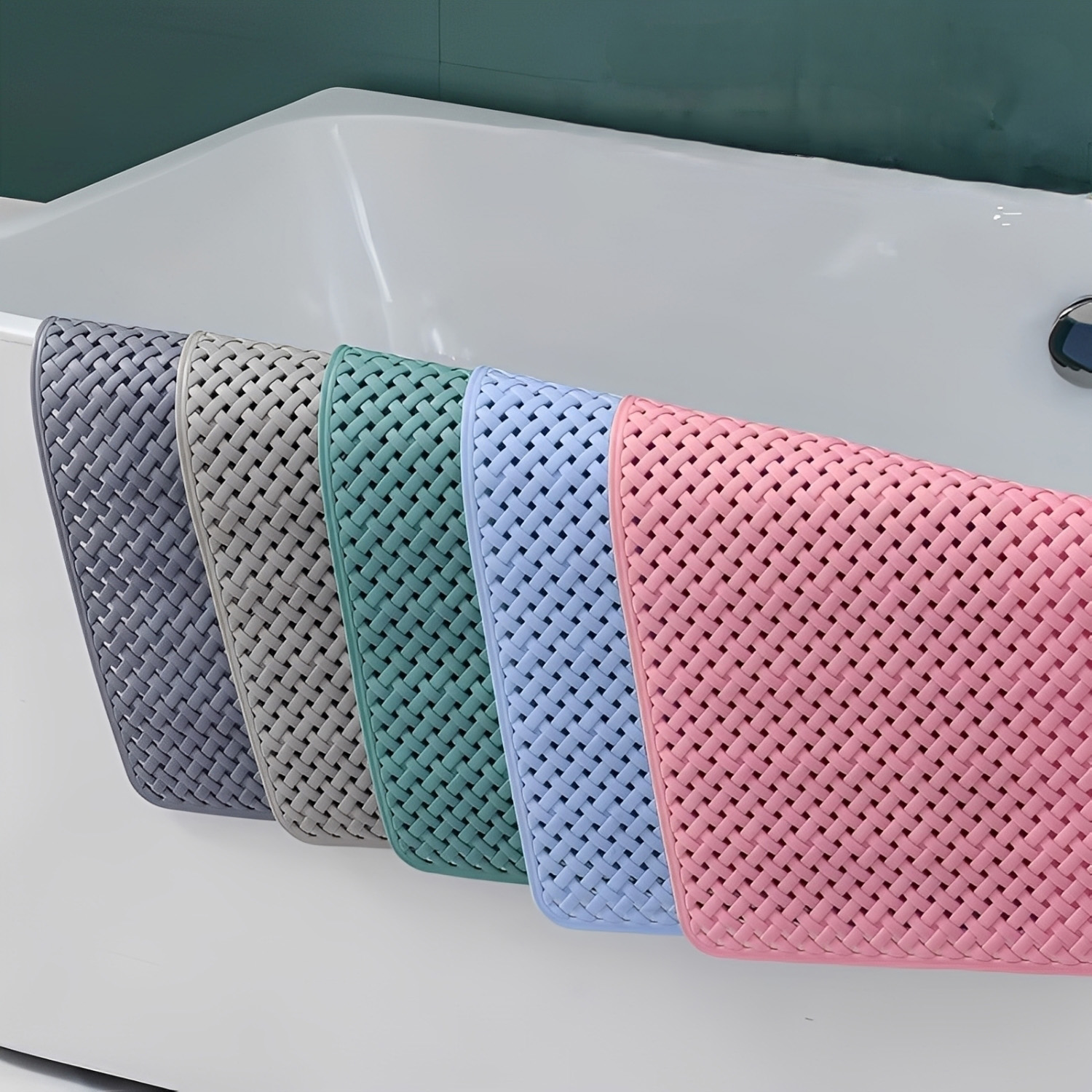
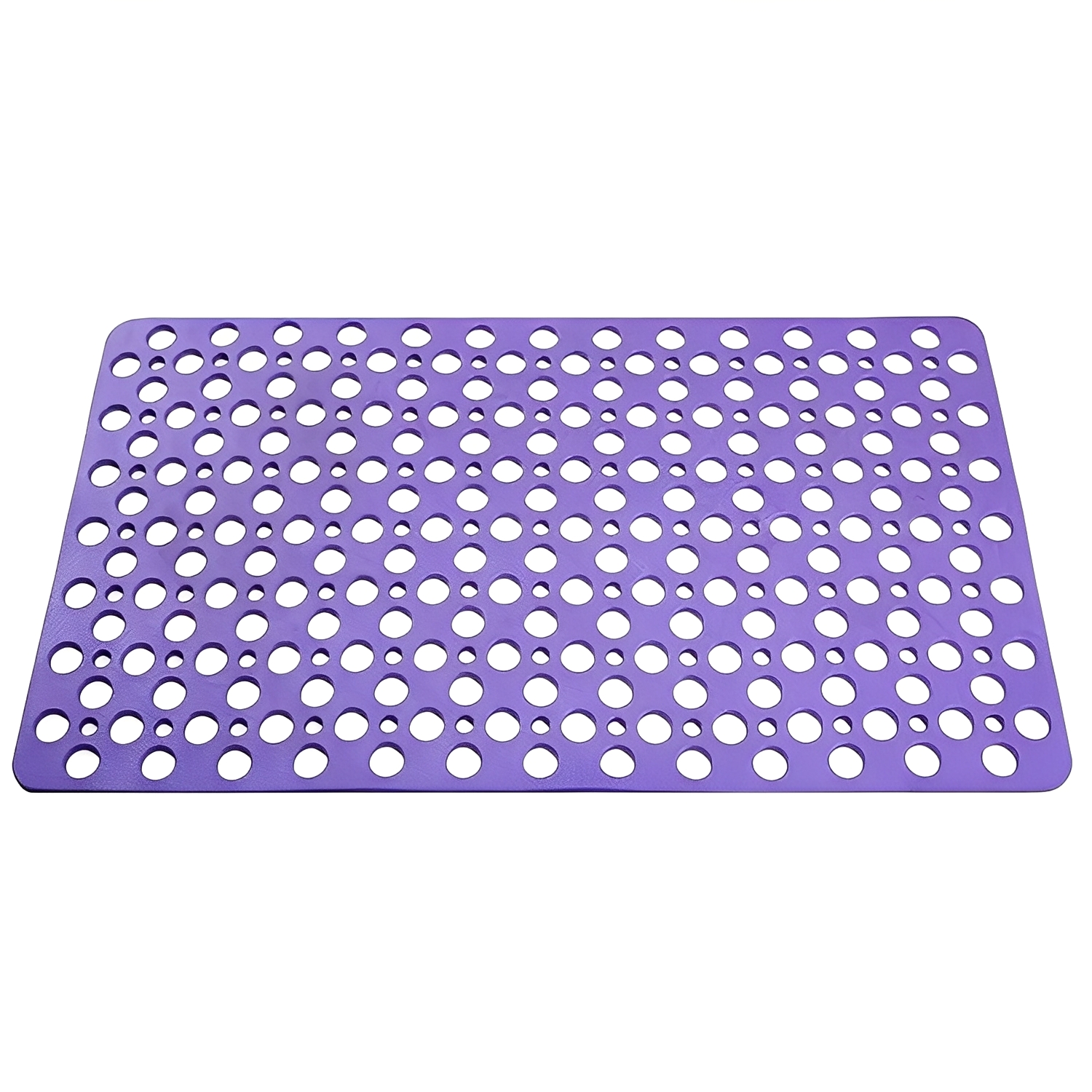

PVC Properties
PVC Advantage
- Cost-effective: PVC is the most common injection molding material, it is cheaper than specialty plastics and silicone.
- Chemical Resistance: PVC is chemically resistant to different acids, bases, salts, and alcohols.
- Electrical Insulation: PVC has excellent electrical insulation due to its dielectric strength.
PVC Disadvantage
- Poor Heat Stability: PVC can only resist temperatures up to 60℃, higher temperatures will result in degradation with harmful by-products like hydrochloric acid.
- Strength Loss: The flexibility of PVC will reduce significantly over time, and UV light will give rise to material degradation.
- Low Heat-Deflection Temperature: Temperatures higher than 82°C will cause deformation under load. PVC is not suitable for load-bearing applications.
Design Guide of PVC Molding
Poor design of PVC parts leads to easy molding defects, our engineering team will minimize the risk by DFM analysis. The common considerations for PVC molding include:
Wall Thickness
Uniform wall thickness is required, as in other plastic injection molding. The gradual transition is important from thinner to thicker sections. The recommended minimum wall thickness range is from 1.2 mm to 6.0 mm.
Shrinkage
PVC has a lower shrinkage rate of 0.2% to 0.5% than other plastics. Warping will occur in uneven cooling. In addition, wall thickness and the mold gate size need to reduce the risk of defects.
Radii
Sharp corners are difficult for PVC injection molding, resulting in stress concentration and part failure. Radii of at least 25% are required for both inside and outside corners.
Draft Angle
Draft angle is critical for final part ejection from the injection mold, the common draft angles of PVC parts are between 0.5% and 1%. The larger parts require the larger draft angles.
Part Tolerance
Tighter or finer tolerances are more expensive, because the stricter injection mold and processing requirements.