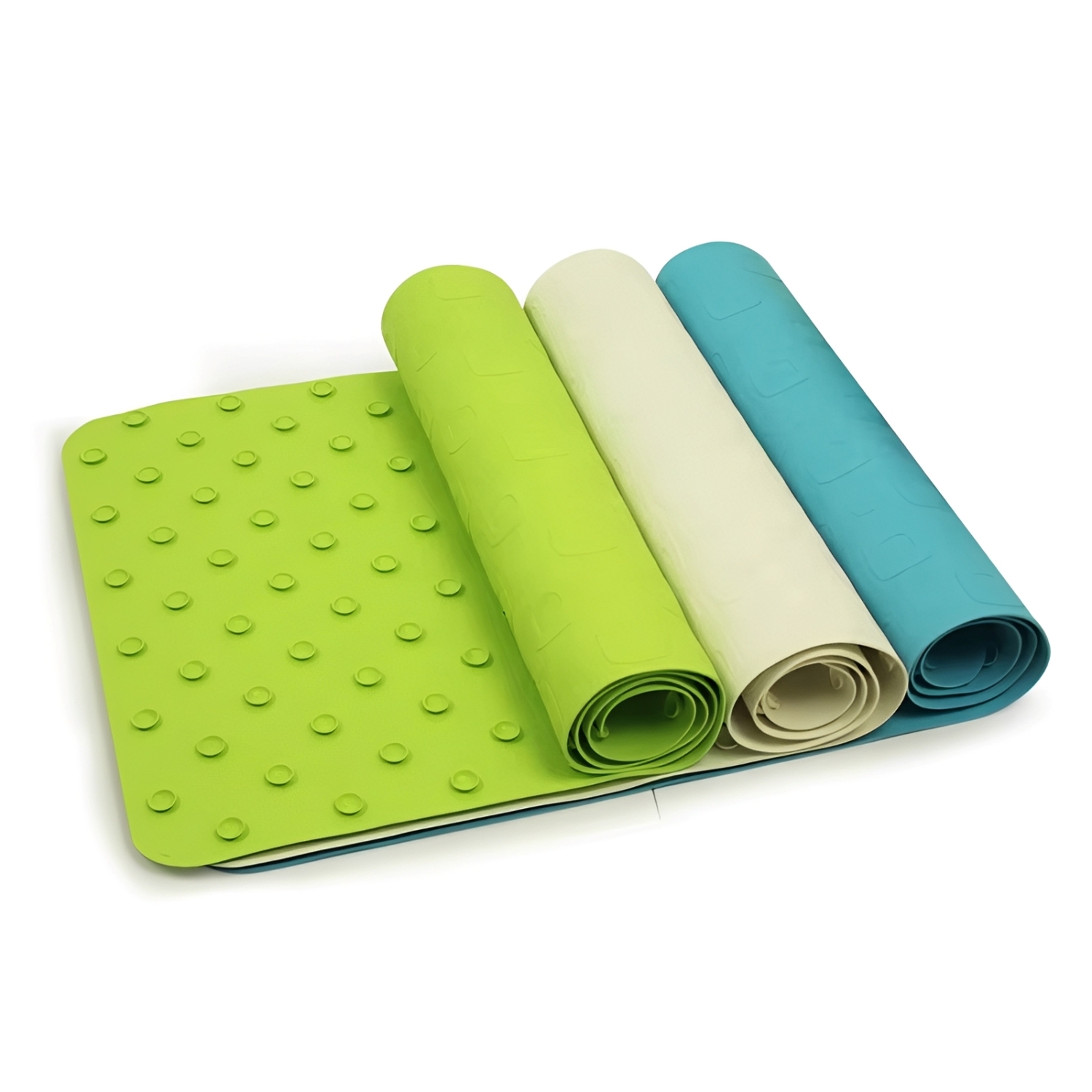
Introduction
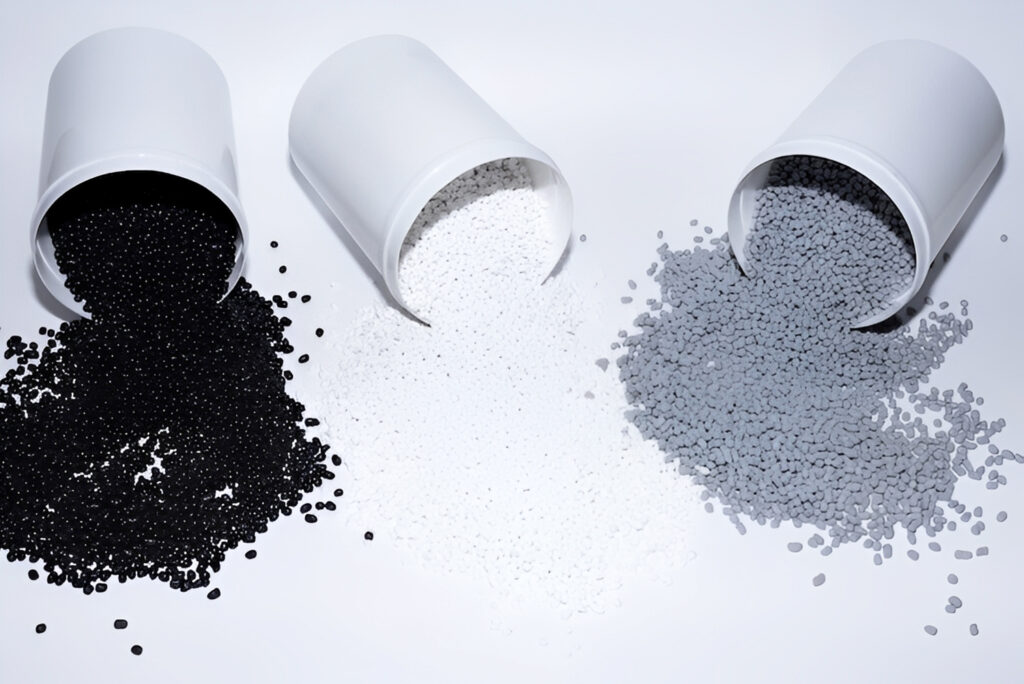
TPE (thermoplastic elastomer) is a combination of polymers(a plastic and a rubber), which can be processed on conventional injection molding machines. TPE parts permit recycling with molten state return. TPE consists of both thermoplastic and elastomeric properties, it is extremely easy to manufacture.
TPEs have different formulations and specific applications, it is critical to select the right TPE materials.
TPV
Thermoplastic vulcanizates
TPU
Thermoplastic urethanes
TPO
Thermoplastic olefins
SBC
Styrenic block copolymers
COPE
Copolyester elastomer
PEBA
Polyether block amide
TPE Bath Mat
TPE is applied in different applications. In Junle, we specialize in different shower mats and bathtub mats.
TPE Anti-slip Mat
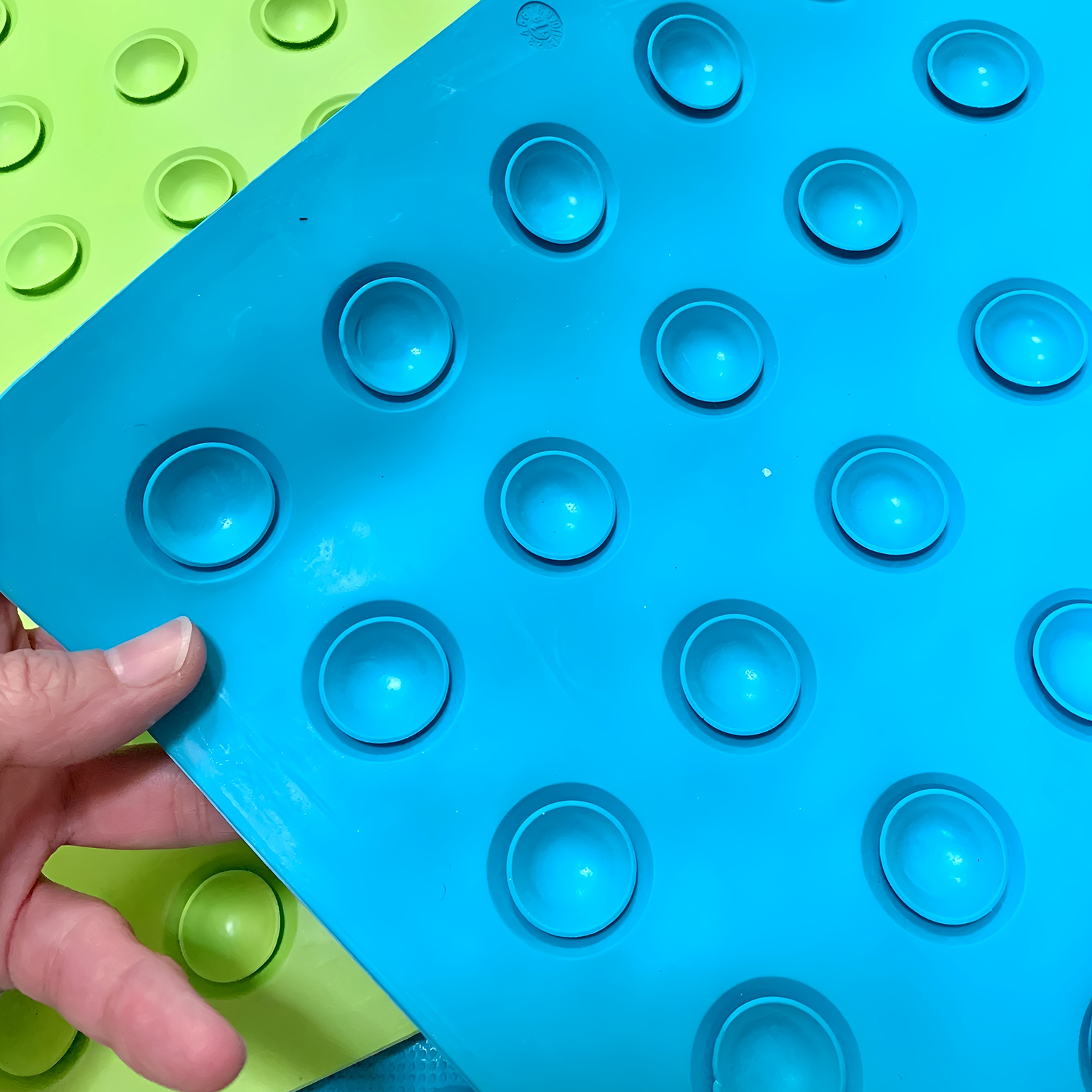
TPE Foot Bath Mat
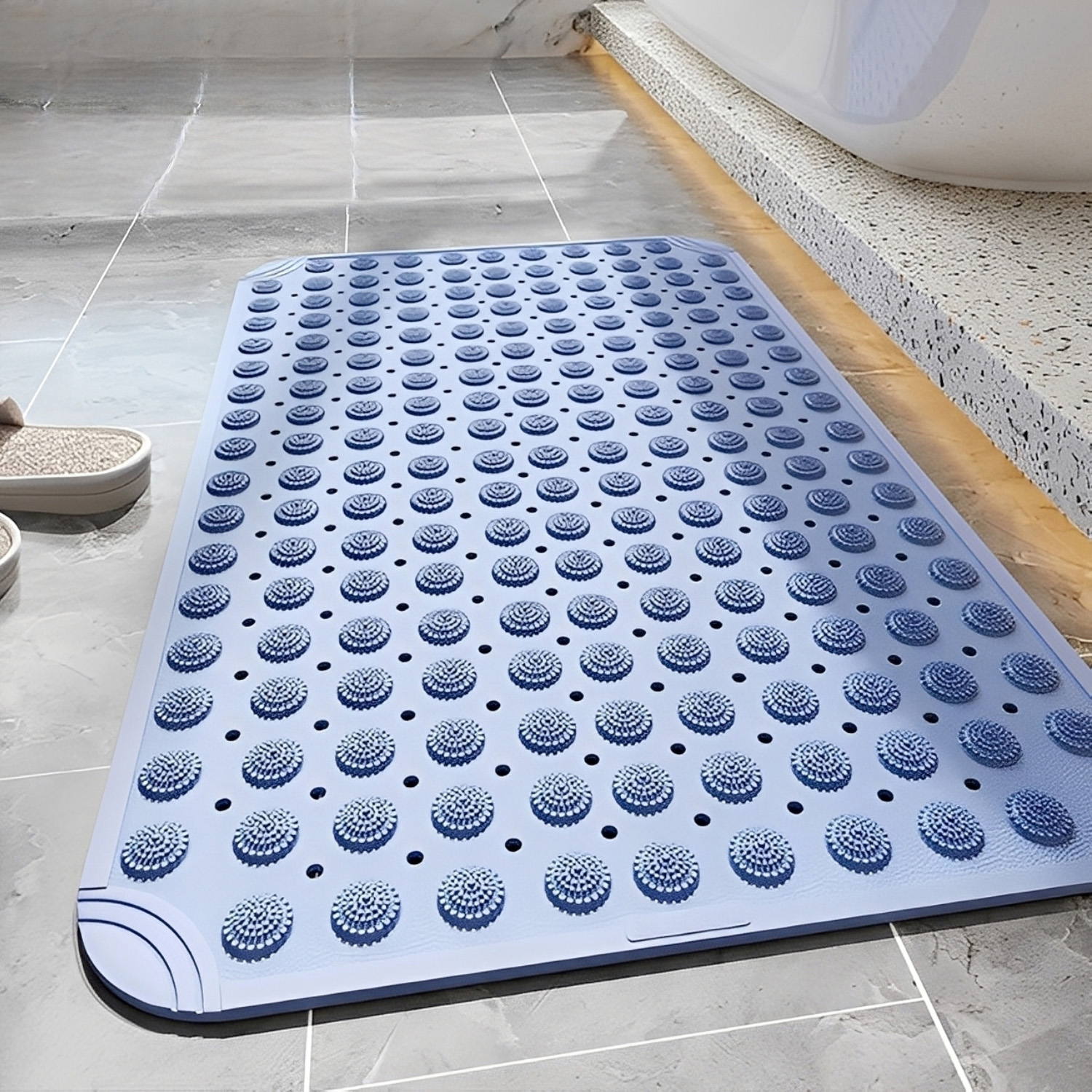
TPE Cup Pad
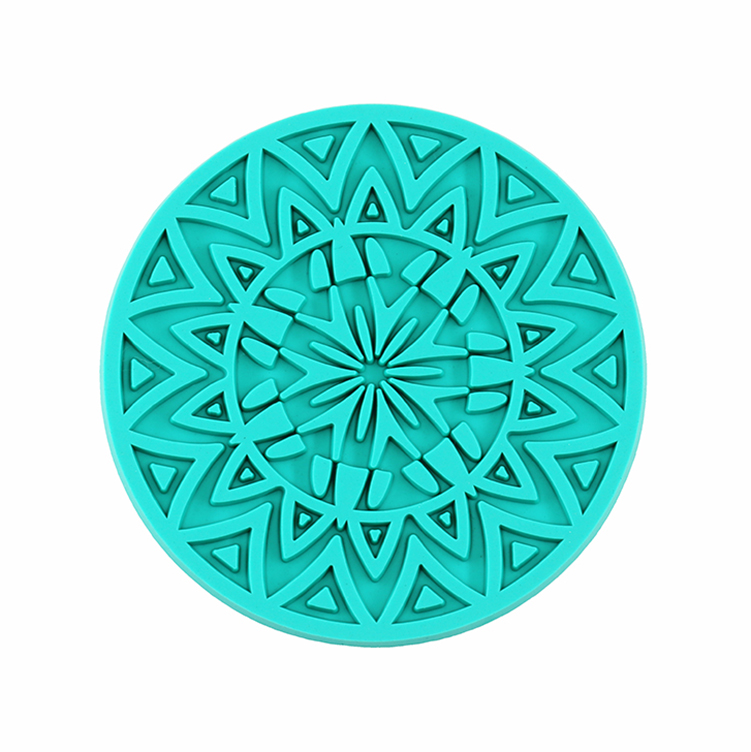
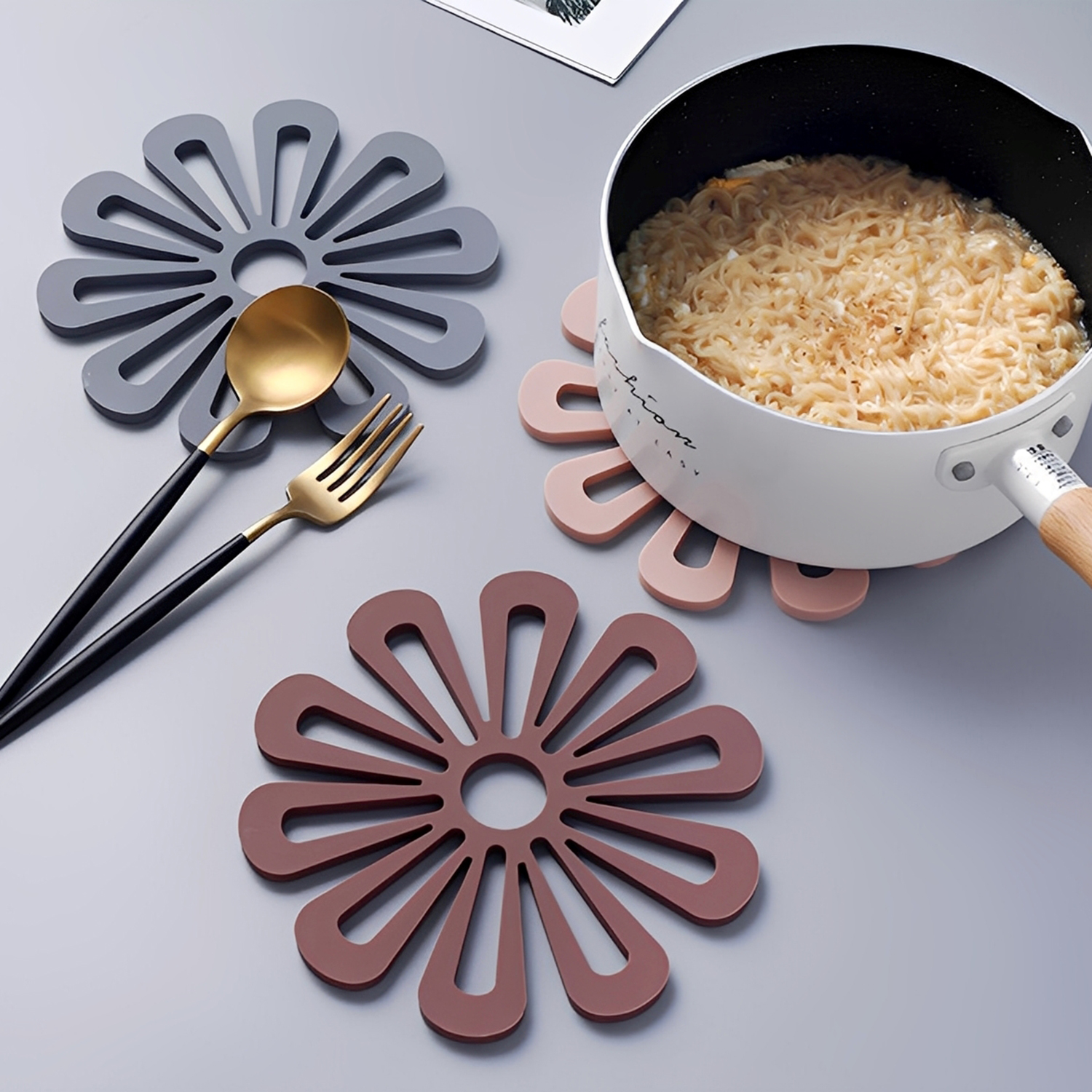
TPE Pot Pad
TPE Properties
TPE Advantage
TPEs have the combined properties of rubber-like and plastic-like, which results in several advantages in properties:
- Elasticity: Good elasticity and flexibility can return to the original shape after stretching and compressing.
- Tensile Strength: Good tensile strength can resist stretching and pulling apart.
- Durability: Wear and tear resistance is subjected to frequent stress.
- Chemical Resistance: Different levels of chemical resistance are suitable for different environments.
- Temperature Resistance: Different levels of temperature resistance are suitable for different applications in high or low temperatures.
- UV resistance: Different levels of UV resistance are suitable for different indoor or outdoor applications.
- Surface Finish: TPEs can achieve various surface finishes from glossy to matte.
- Recyclability: TPE materials can be melted and remolded into new parts.
TPE Disadvantage
- Limited Heat Resistance: TPEs have low durability under high temperatures.
- Limited Chemical Resistance: TPE is susceptible to degradation by certain chemicals, which can reduce its lifespan.
- Lower-quality Surface Finishes: TPEs have lower-quality surface finishes than other materials like polycarbonate or acrylonitrile butadiene styrene (ABS).
- Low Tear Strength: Low tear strength of TPEs are not suitable for applications with high tearing resistance.
- Higher Cost: TPEs may have a higher cost than PVC.
- Part Warping: TPE materials are prone to warp in the molding process.